
Vacusport in rehabilitation
Post-surgery, joint replacement and neurology
Shorter post-operative rehabilitation, with less oedema and early mobilisation
After surgery or a joint replacement, oedema, haematoma and pain delay mobilisation and lengthen hospital stay and rehabilitation. Vacusport uses intermittent vacuum to drain, activate circulation and speed up healing.
According to the manufacturer, it shortens early rehabilitation and creates more capacity on the ward and in the operating theatre.
- Post-surgery
- Knee and hip replacement
- Neurological rehabilitation
- Chronic pain
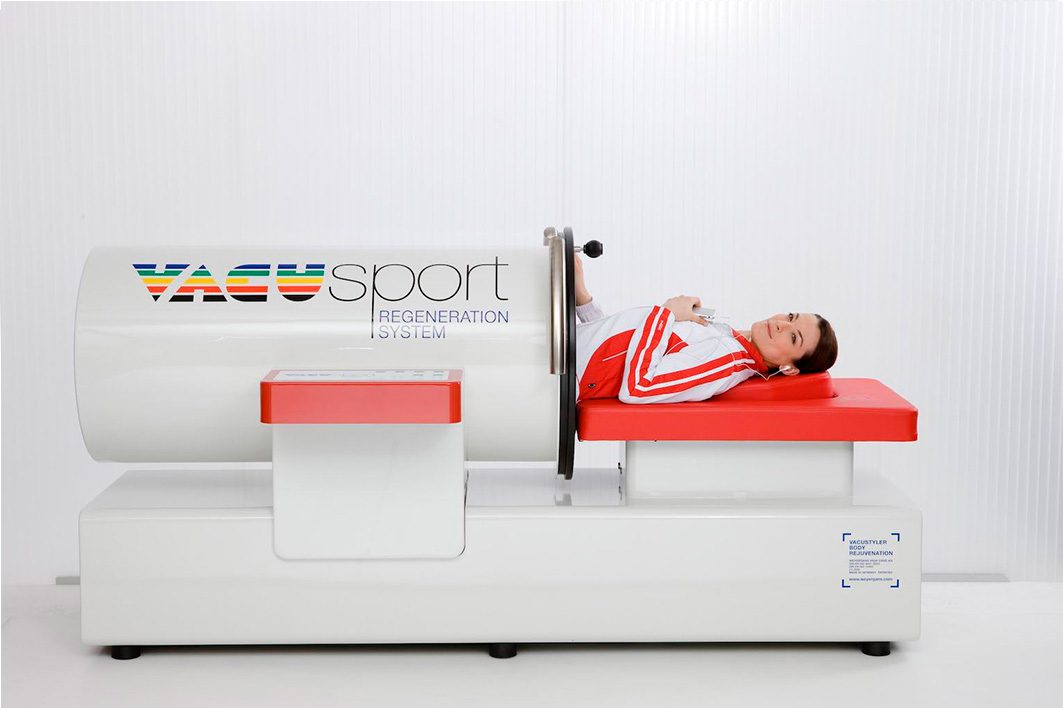
Post-surgery and knee or hip replacement
Acute phase and early rehabilitation
In the first days the focus is on controlling oedema and pain and letting the patient mobilise without extra workload for the team.
- Lymphatic drainage, better venous reflux and reduction of oedema and haematoma
- Faster healing and early mobilisation, with more capacity on the ward and in the operating theatre
- Sessions of 30 minutes, 3 to 5 in the acute phase
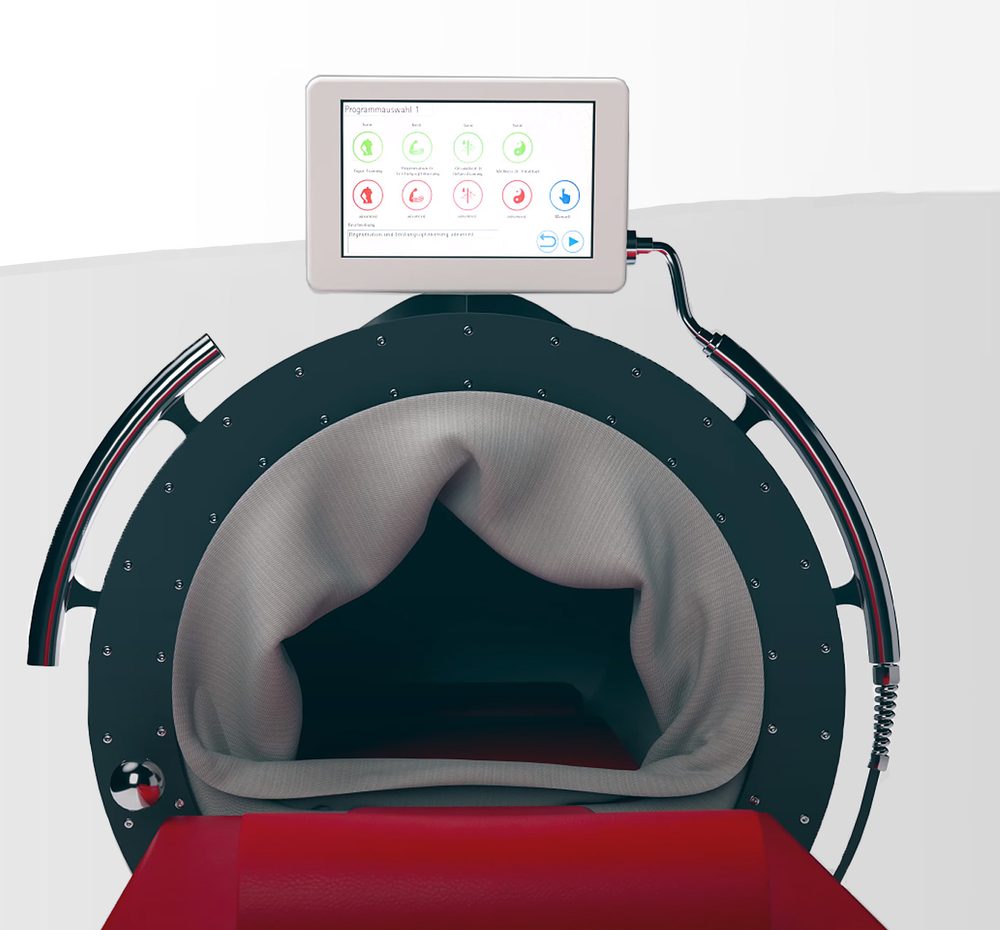
Neurology, chronic pain and joints
Fibromyalgia, knee osteoarthritis and polyneuropathy
When circulation and neural stimulation matter, passive vascular training helps relieve symptoms and keep function, without overloading the patient.
- Neurological rehabilitation (phases A to D): active and passive mobilisation and improved independence
- Fibromyalgia and knee osteoarthritis: pain relief, traction and passive vascular training
- Peripheral polyneuropathy: flow promotion, fewer cramps and paraesthesia
Why it is useful in a rehabilitation service
Benefits for the patient and the team, according to the manufacturer.
- 01
Less workload for the team
Automatic programmes that need no therapist intervention during the session.
- 02
Accessible for patients with limited mobility
The SL version has an electric couch for non-mobile patients.
- 03
Added value for rehabilitation
Faster integration of the patient into daily life, without extra workload.
- 04
A distinctive offer
Strengthens the clinic or hospital service.
Indicative protocols by indication
| Post-operative oedema (acute phase) | 3 to 5 sessions of 30 min |
|---|---|
| Rehabilitation after knee or hip replacement | 3 to 5 sessions of 30 min in the acute phase |
| Neurological rehabilitation (phases A to D) | 15 to 20 sessions of 30 min, 3 times a week; then maintenance 1 to 2 times a week |
| Fibromyalgia | 10 to 15 sessions of 30 min, 2 to 3 times a week; then once every 10 to 14 days |
| Knee osteoarthritis | 10 to 15 sessions of 30 min, 2 to 3 times a week |
| Peripheral polyneuropathy | 10 to 15 sessions of 30 min, 2 to 3 times a week; then once every 10 to 14 days |
Indicative protocols from the manufacturer. Each patient's plan is defined by the healthcare professional.
Frequently asked questions
Is Vacusport suitable after a knee or hip replacement?
According to the manufacturer, yes: it reduces oedema and pain, promotes circulation and supports early mobilisation, with 3 to 5 sessions of 30 minutes in the acute phase.
Can it be used with bedridden or low-mobility patients?
The SL version includes an electrically extendable couch for non-mobile patients.
What are the contraindications?
Recent phlebothrombosis (less than 8 weeks), infected wounds in the application area, pregnancy and joint hernia.