
MagRex: indications in pain, injuries and recovery
Where it fits in the treatment plan
One tool for several clinical pictures
MagRex describes peripheral magnetic stimulation as useful in musculoskeletal pain, sports injuries, recovery after exertion and neurological rehabilitation. It works best when integrated into active physiotherapy and exercise.
In every case, the indication and parameters are set by the health professional, according to each person’s assessment.
- Pain
- Sports injuries
- Recovery
- Neurorehabilitation
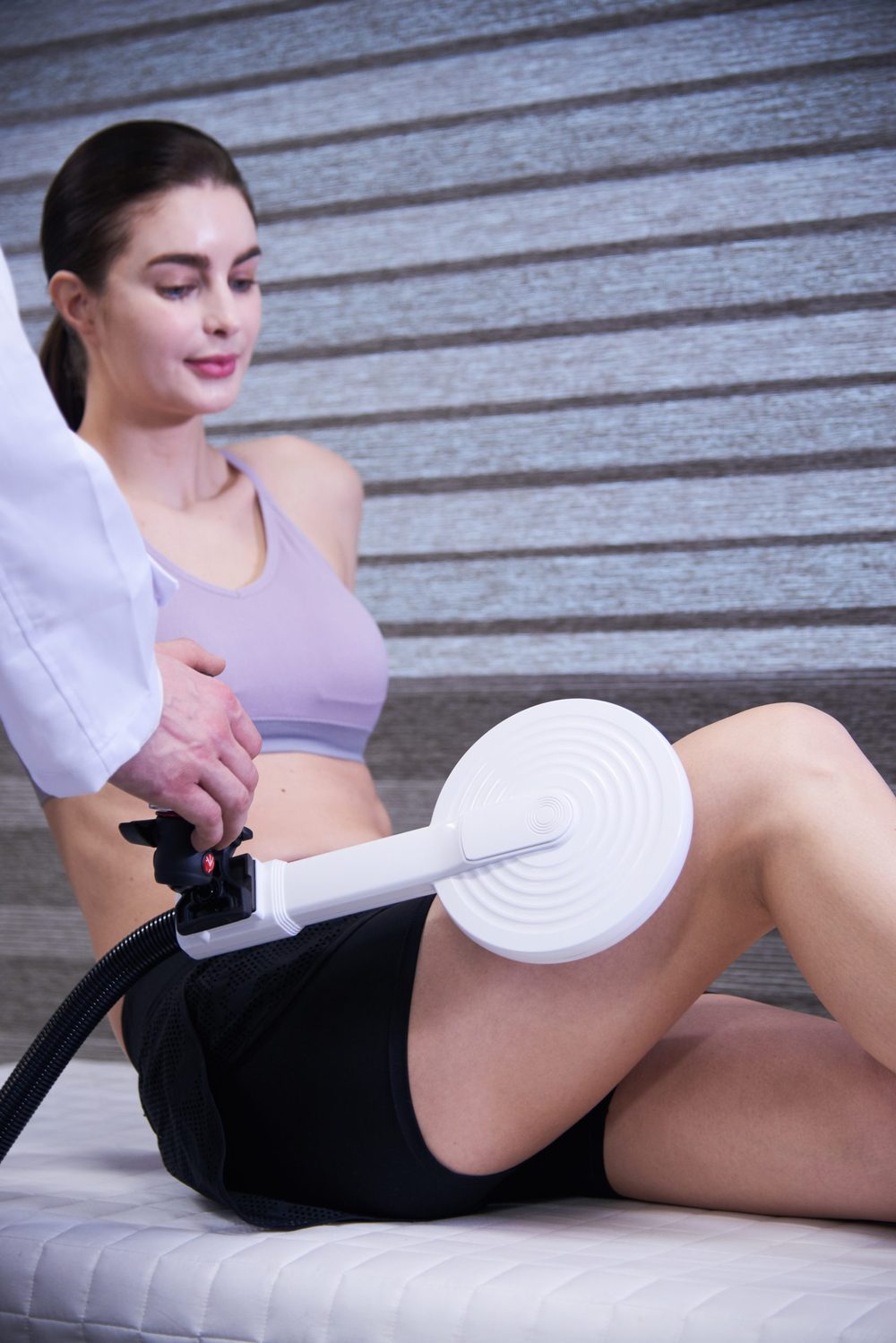
From the clinic to the field
Sports injuries and recovery
PMS can help athletes return to training with motor control: it modulates pain and facilitates muscle activation in subacute phases, before load and proprioception are reintroduced.
- Ankle sprains
- Groin pain
- Plantar fasciitis
- Recovery after eccentric effort
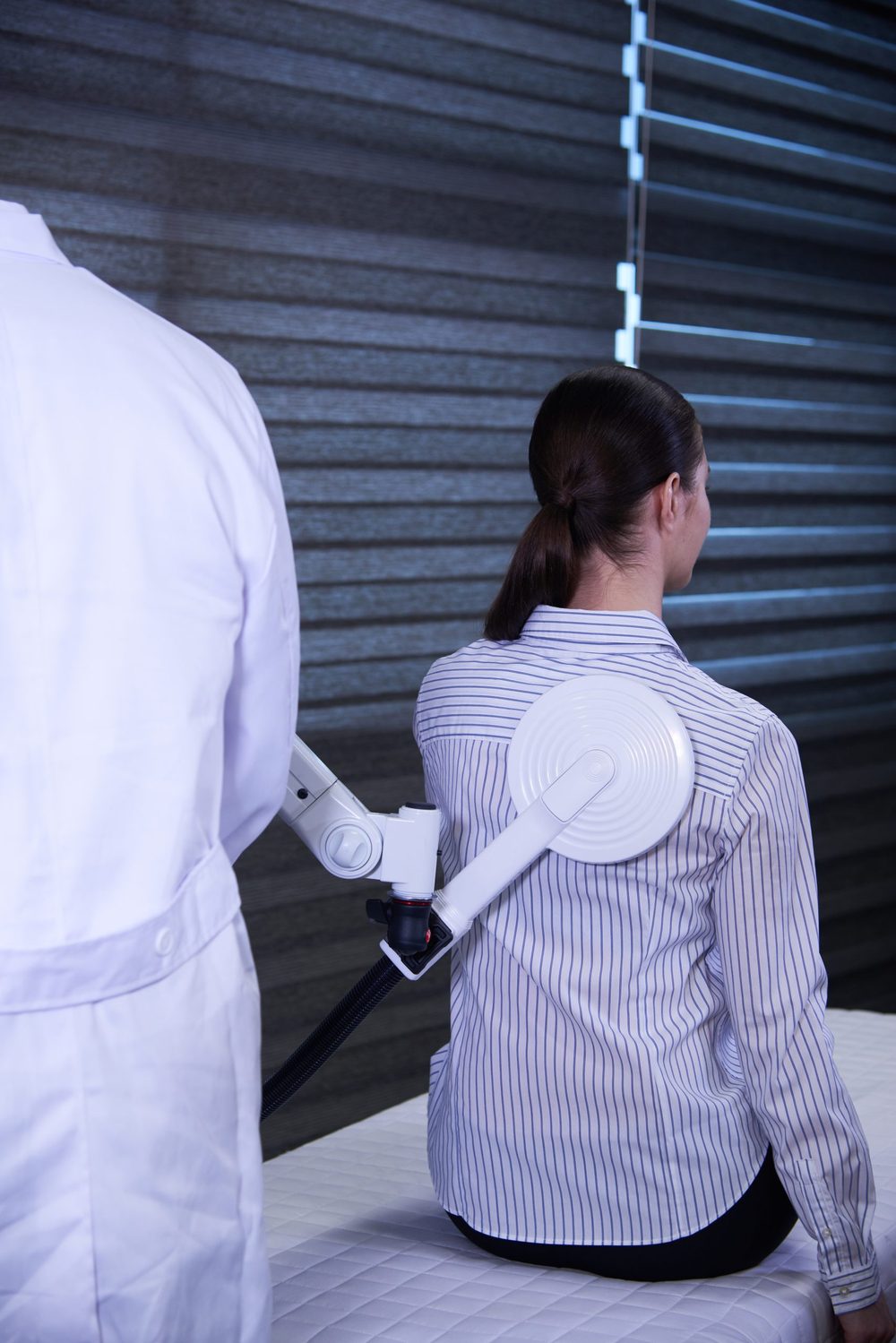
Persistent and neuropathic pain
When other options have reached their limit
For patients arriving with chronic pain and tired of «more of the same», PMS is a non-invasive, well-tolerated option with no consumables, which fits into the treatment plan alongside exercise and education.
- Low back and neck pain
- Joint pain
- Peripheral neuropathic pain
- Combination with manual therapy and exercise
Main indications
According to MagRex.
Musculoskeletal pain
Low back pain, neck pain and joint pain. As a reference, the brand gives 20 to 50 Hz, 10 to 20 minutes per area, 2 to 3 sessions a week for 3 to 6 weeks, adjusted to response.
Neuropathic pain
Peripheral neuropathic pain, for example carpal tunnel and neuropathies, with individual assessment and combination with treatment of the cause, education and exercise.
Sports injuries
Ankle sprains, groin pain and plantar fasciitis: pain modulation and neuromuscular facilitation in subacute phases, to regain motor control and load tolerance.
Recovery after exertion
Support for recovery after eccentric exercise or intense effort, in professional and recreational athletes.
Spasticity and neurorehabilitation
Tone modulation and functional improvement, combining PMS with functional exercise in motor windows.
Fractures, bone oedema and tissue regeneration
The brand indicates adjunctive use within an orthopaedic plan.
Safety and screening
- PMS is a complement; it does not replace exercise, pain education or treating the cause.
- Results vary by person and clinical picture.
- Review implanted devices and ferromagnetic material before applying.
- Pregnancy and epilepsy: assess according to clinical judgement.
General information, not a substitute for medical advice. The indication, parameters and frequency of sessions are set by the health professional, case by case.
Frequently asked questions
What is MagRex indicated for?
According to the brand, for musculoskeletal pain (low back pain, neck pain, joint pain), neuropathic pain, sports injuries, recovery after exertion and neurological rehabilitation.
How many sessions are usually given?
MagRex gives as guidance 2 to 3 sessions a week for 3 to 6 weeks, adjusted to response. The professional defines the plan.
Can I use it with athletes?
Yes. It is described as a pain modulator and neuromuscular facilitator in sports injuries and recovery after exertion.
Does it replace exercise?
No. It works as a complement to active physiotherapy, therapeutic exercise and education.
Is there research?
Yes. Trials on peripheral magnetic stimulation have been published. You can read a summary in our guide.