
Cryotherapy: how to choose the right equipment
Localised cold, cold with compression, immersion and whole body
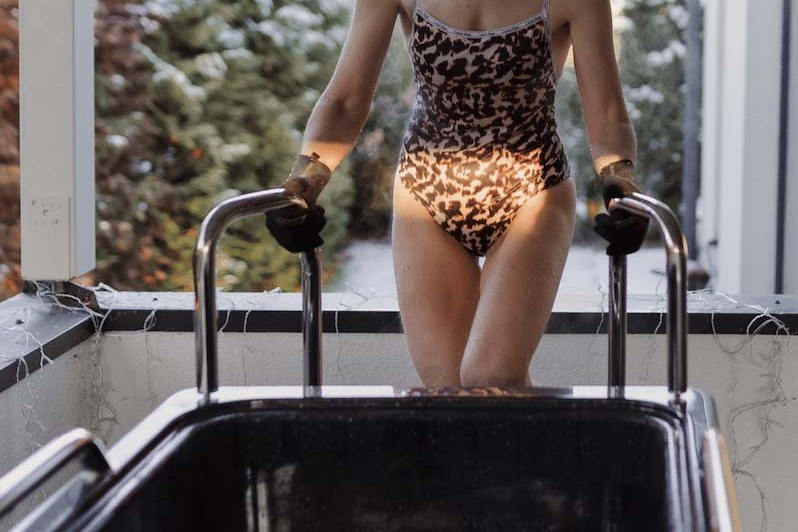

Cryotherapy is no longer just an ice pack. There are now four families of equipment, each solving a different problem: treating a precise area, recovering after an injury or surgery, recovering a whole team after effort and offering a whole-body experience.
This guide helps clinics, clubs and centres understand what each family does, where it makes most sense and which solutions Sausport presents in each one.
In short
- Localised cold air: short sessions on a precise area, with no contact and no ice.
- Cold with compression: the classic for injury and surgery, now portable and fitted to each body area.
- Cold water immersion: recovery for teams and athletes, in locker rooms, clinics, spas and on the road.
- Whole body: an electric cabin, with no nitrogen, for recovery, aesthetics and longevity centres.
- The choice depends on the goal, the number of people, the space and who operates the equipment.
The four families side by side
| Family | What it is for | Sausport solutions | Makes most sense in |
|---|---|---|---|
| Localised cold (cold air) | Cooling a precise area in short sessions, before, during or after treatment or exercise | Gymna Cryoflow ICE-IR, CTN X°CRYO | Physiotherapy, sports medicine, aesthetics |
| Cold with compression | Managing pain and swelling after injury or surgery, and recovering from effort | Game Ready, Aquilo | Rehabilitation, clubs, medical teams |
| Cold water immersion | Whole-body recovery after training and matches, with the water at the right temperature | Avantopool, Nubis IceBath | Clubs, locker rooms, clinics, spas, home |
| Whole body (cabin) | A 2 to 5 minute extreme-cold session, controlled by skin temperature | CTN e°CABIN | Recovery, aesthetics and longevity centres |
1. Localised cold air
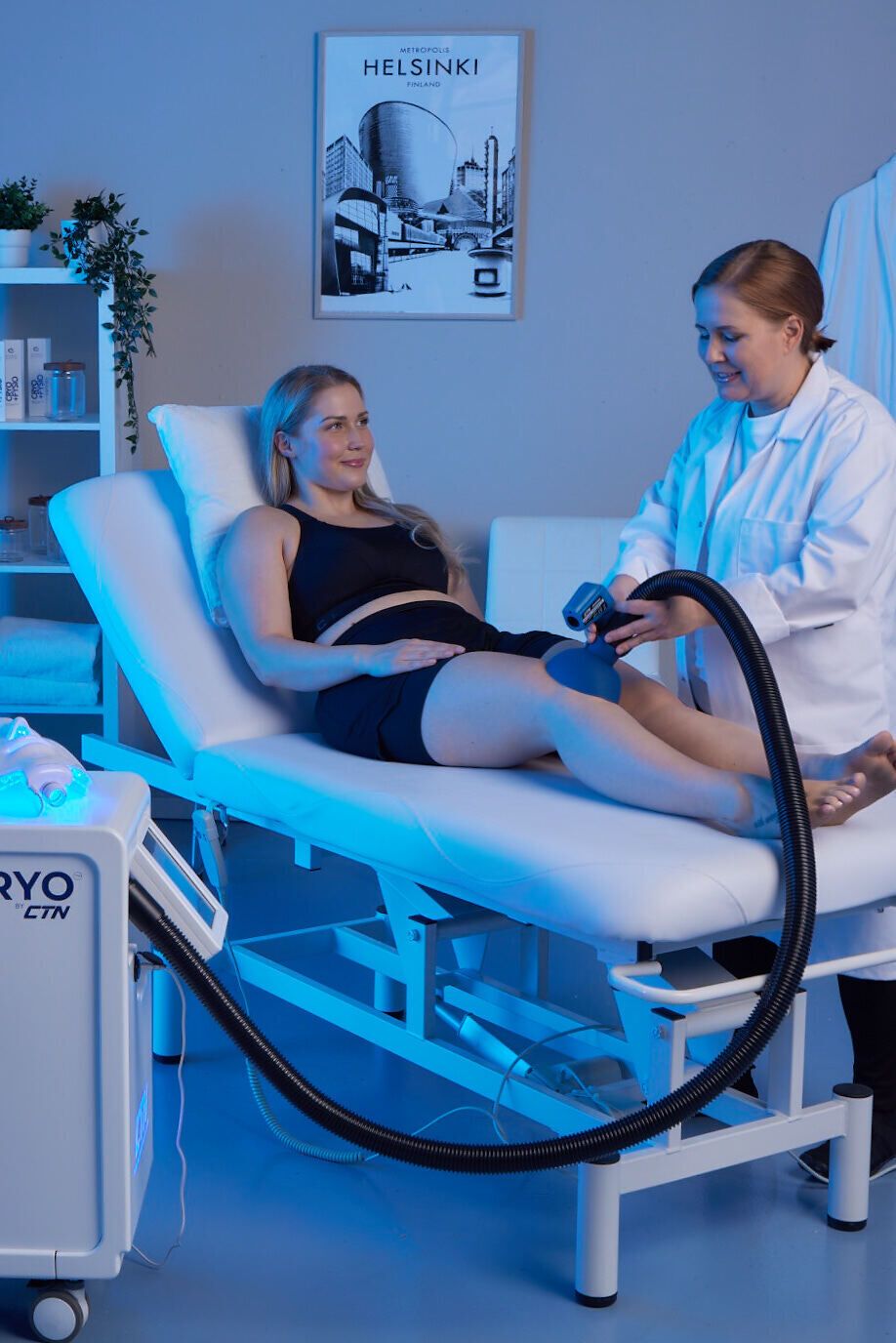
A flow of cold air aimed at the area to treat. There is no ice, no water and no prolonged contact: the professional controls the cold, the area and the length of the session. It is the family most used in clinics, before or after manual therapy and exercise.
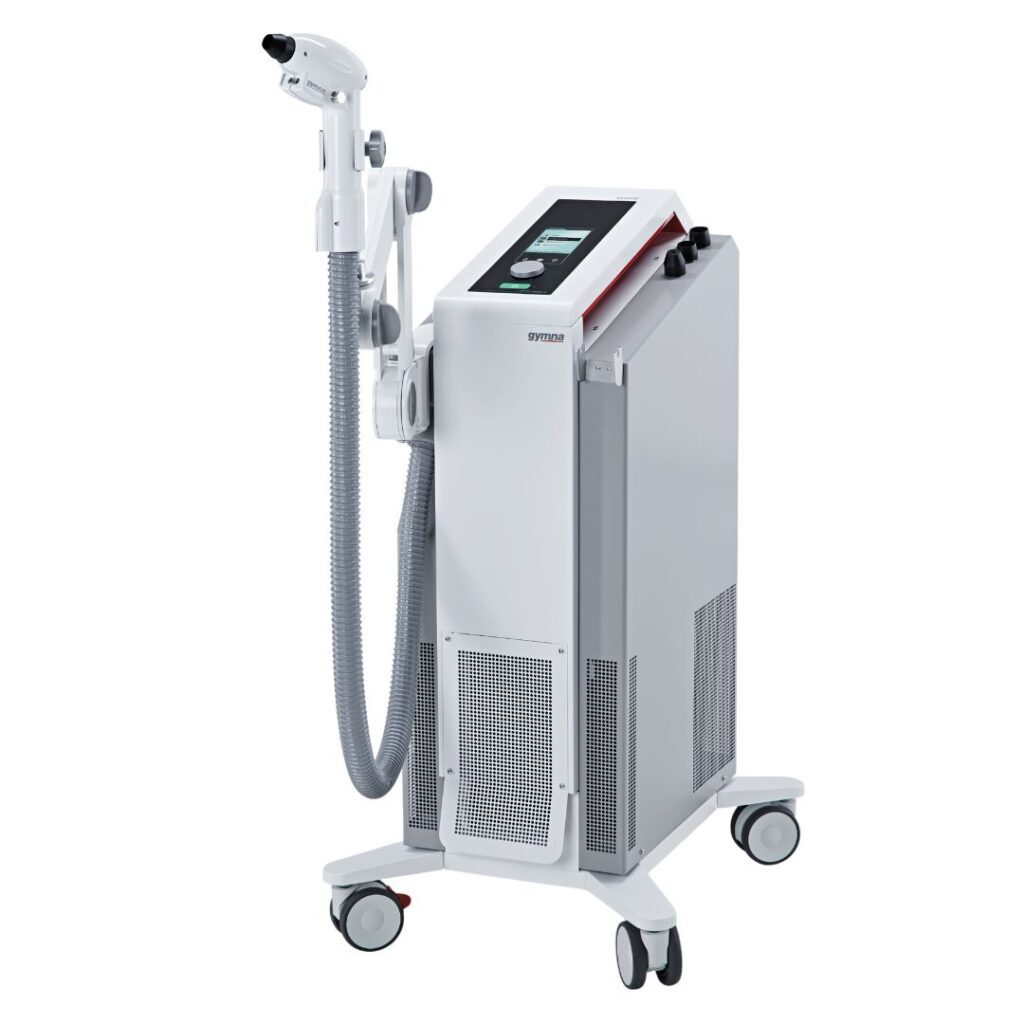
Gymna Cryoflow ICE-IR
An infrared sensor measures the skin and adjusts the airflow automatically. According to Gymna, skin temperature drops to 12 °C in about 1 minute. Static, hands-free application, or dynamic.
View productCTN X°CRYO
A mobile, 100 % electric unit with no nitrogen, 12 applicators and Spot, Face and Pro modes. Sessions of 1 to 3 minutes on the body and face, from physiotherapy to aesthetics.
View product2. Cold with compression
Combining cold and compression is the reference protocol after an injury or surgery, and in everyday sport. Portable solutions take it to the locker room, the pitch or the athlete’s home.

Game Ready
Cryotherapy and dynamic compression, chosen by athletes, coaches, doctors and physiotherapists around the world for rehabilitation after injury or surgery.
View brand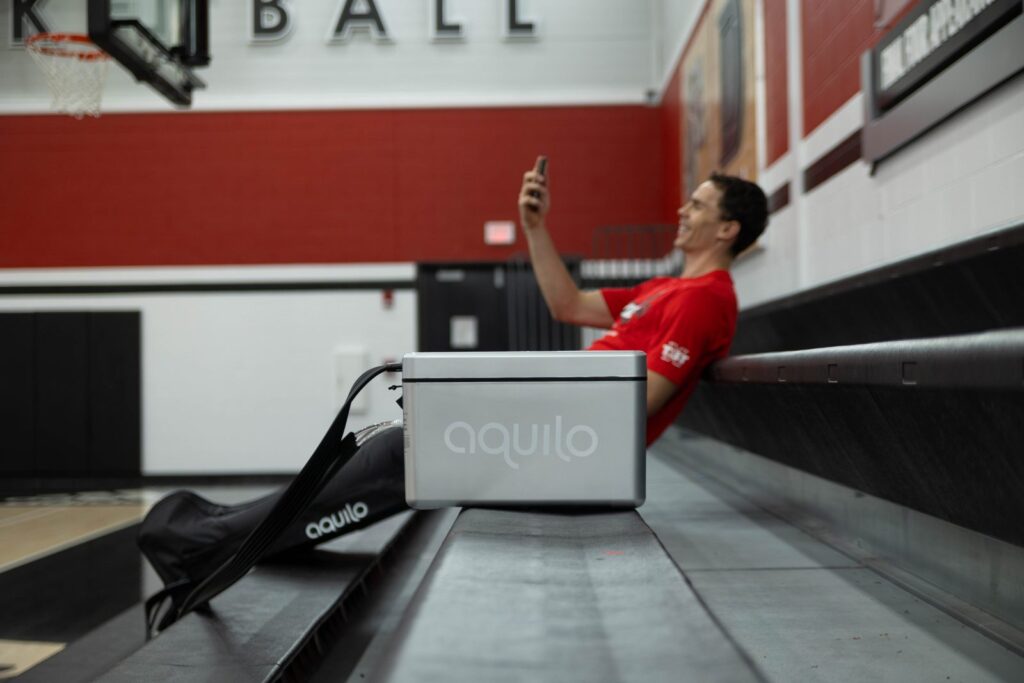
Aquilo
A portable system: iced water circulates around the muscle inside a compression sleeve, with no immersion and without wetting clothes. CCT1500 unit with pump and battery, and sleeves for each body area.
View brand3. Cold water immersion
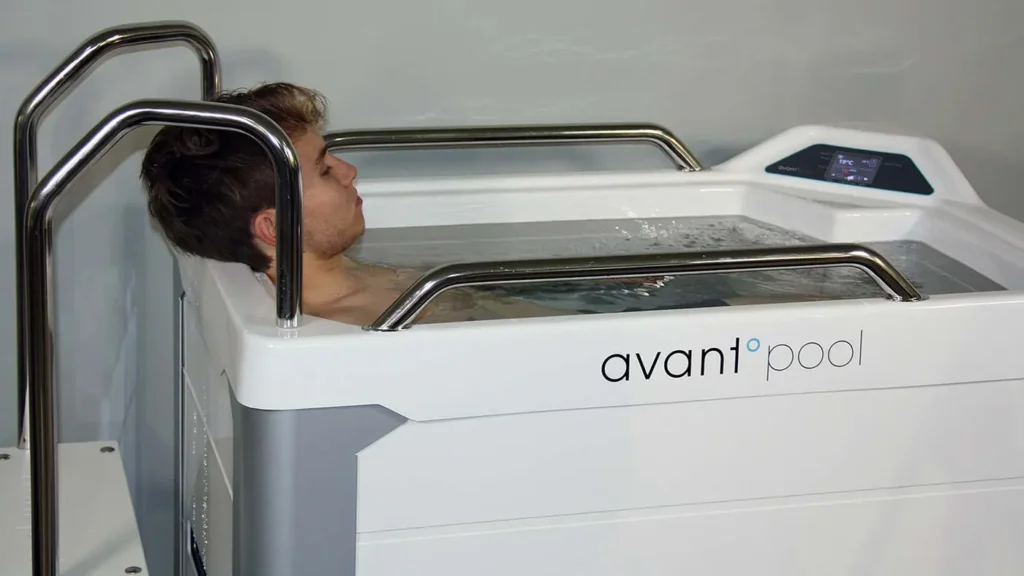
For whole-body recovery, immersion remains the choice of clubs and teams. The difference lies in keeping the water cold, clean and ready to use, without constantly adding ice, and in choosing between a fixed bath or a portable solution.
Avantopool
Cold water baths made in Finland: from +4 °C to +40 °C, continuous filtration with UV purification and Wi-Fi control. Five models, from compact to inflatable for travel.
View brand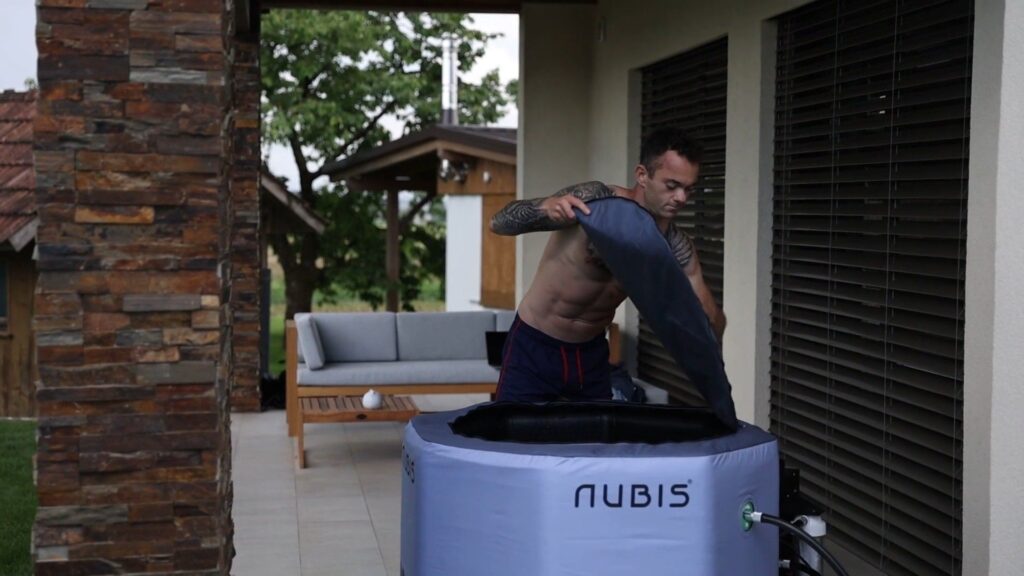
Nubis IceBath
A portable double-wall insulated bath that sets up in minutes and keeps the water cold for days, with the Nubis Chiller for water at +3 °C. For athletes, clubs, physiotherapists and home.
View product4. Whole body
In a whole-body cryotherapy cabin, the person is exposed to cold air for 2 to 5 minutes. The e°CABIN is 100 % electric: there is no nitrogen to store or handle, which simplifies installation and operation.
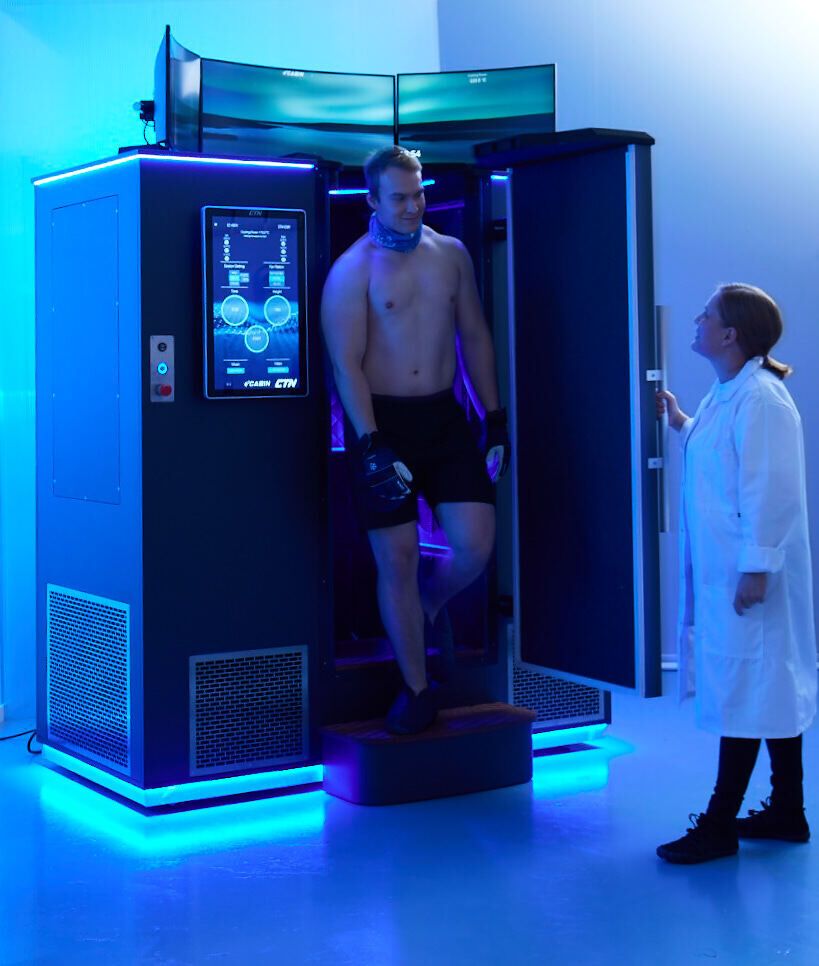
CTN e°CABIN
Cold air between −110 °C and −130 °C in automatic sessions controlled by skin temperature, with three intensity modes and an adjustable-height lift. For recovery, aesthetics and longevity centres.
View productHow to choose
Four questions that help you reach the right family.
What do you want to treat?
A precise area calls for localised cold or cold with compression. Whole-body recovery calls for immersion or a cabin.
How many people a day?
Teams and centres with many sessions benefit from immersion or a cabin. Clinics with individual patients, from localised cold.
What space and installation do you have?
There are portable solutions that can be stored and transported, and fixed installations. The e°CABIN needs no nitrogen, Avantopool baths need water and electricity.
Who operates it and with what protocol?
The protocol should be defined by qualified professionals. A good solution makes use and cleaning simple, and leaves the decisions to the professional.
Frequently asked questions
What is the difference between localised and whole-body cryotherapy?
Localised cryotherapy applies cold to a precise area in sessions of a few minutes and is the most used in clinics. Whole-body cryotherapy exposes the whole body to very cold air in a cabin for 2 to 5 minutes.
Ice bath or cryotherapy cabin?
The bath uses cold water immersion and is the typical choice of clubs, teams and recovery centres. The cabin uses cold air and has shorter sessions. The decision depends on the goal, the space and the number of people.
Is cold with compression only for after surgery?
No. It is widely used after injuries and surgery, but also to recover athletes after training and competition.
Do I need training to use this equipment?
The usage protocol should be defined by qualified professionals. Sausport helps you choose the equipment and has a support team.
How much does cryotherapy equipment cost?
It depends on the family, the model and the installation. Request a proposal and we will recommend the solution that best fits your case.
This guide is informative and does not replace the advice of health professionals. Cold is not suitable for everyone: contraindications, protocol and the length of each session should be assessed by qualified professionals, according to each person. Information about each device is as stated by the brands.
Related articles
 Sem categoriaSpiroFit for cycling: how to improve sports performanceNovember 23, 2026 · 4 min read
 Sem categoriaExercise in cancer care: keeping strength before, during and after treatmentNovember 16, 2026 · 6 min read
 Sem categoriaPeripheral magnetic stimulation: pain, recovery and performanceNovember 13, 2026 · 5 min read