
What is muscle decompression?
One concept, one methodology and one technology
Muscle decompression is a proprietary Muscle Decompression concept based on applying pulsed negative pressure to muscle tissue. It is not just a tool: it is a specific way of working the musculature that combines decompression depth, frequency, safety, applicators for each muscle and easy-to-follow protocols.
The aim is to relax the muscle and its fascia in a deep, comfortable and non-invasive way, in contexts such as muscle recovery, sports readaptation, wellness and muscle relaxation.
A concept
Stimulating the muscle with the opposite of compression: decompression.
A methodology
Criteria for depth, parameters, applicators and protocols by muscle and objective.
A proprietary technology
The MD3, developed to apply decompression in a controlled and reproducible way.
Key differentiators
What sets muscle decompression apart is not only the use of negative pressure, but how it is applied.
Pulsed negative pressure
A decompression–rest cycle, rather than continuous suction.
Depth
Force, frequency and applicator combine to work deep muscles, over 10 cm according to the brand.
Muscle-specific
Parameters and applicator adapted to the muscle and the objective.
Control and reproducibility
A more automated, structured system with less dependence on the operator.
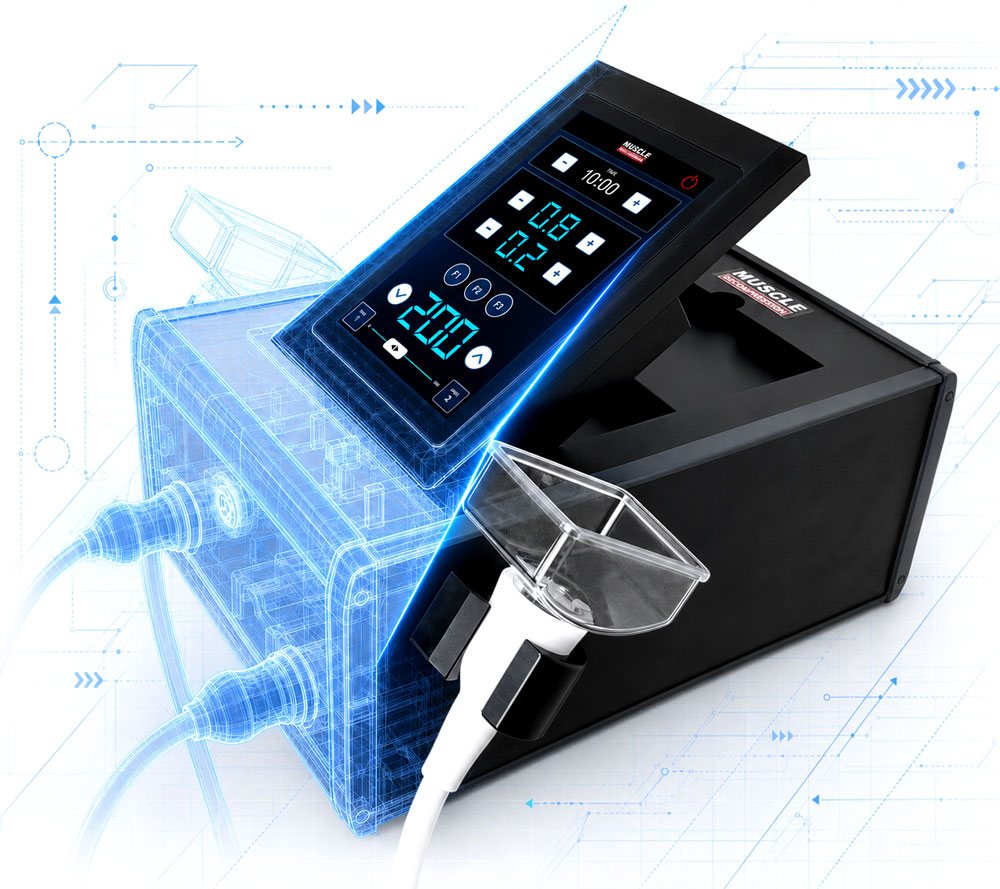
Origin and purpose
The story begins in 2009. After years of manual therapy, especially myofascial, J. Saló concluded that he could no longer rely only on continuous physical effort to work the muscle at the level he wanted. The accumulated fatigue in his hands and fingers led him to look for a way to mechanise part of the process. For a year he worked on the idea, the mechanics of application, frequencies, depth and safety, and in 2010 the first functional prototype was born.
The principle is simple: when a muscle is overactive, it stays contracted, in other words under compression. If the opposite stimulus, decompression, is generated, the muscle responds with relaxation. According to the brand, the treatment does not cause pain and the decompression is controlled and reproducible, a quantifiable decompressive mechanotherapy.
From the outset, the project aimed to
- Treat muscle with greater depth
- Reduce the professional’s physical strain
- Offer a more reproducible alternative to manual work
- Offer a pain-free mechanotherapy, especially for people whose muscles are sensitive to manual pressure
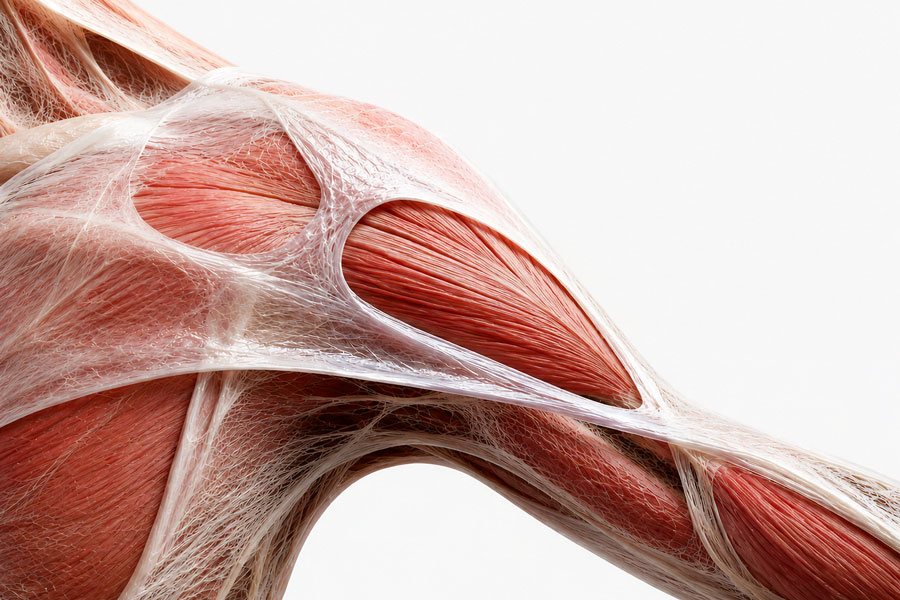
Muscle, fascia and connective tissue
The MD3 is not limited to muscle. In the methodology, fascia and the connective tissue system are also considered, with protocols, decompression force and applicators adapted to tissue density and objective. Not all tissues respond in the same way, which is why understanding the method is essential.
Frequently asked questions
Who created muscle decompression?
The concept began in 2009 with J. Saló, and the first functional prototype appeared in 2010, according to Muscle Decompression.
What is the difference between concept, methodology and technology?
The concept is the idea of relaxing the muscle through decompression; the methodology organises parameters, applicators and protocols; the technology is the MD3.
Does muscle decompression treat only muscle?
No. According to the brand, it also considers fascia and connective tissue, with protocols adapted to tissue density.
Is training needed to use the MD3?
The brand considers training an essential part of the method and includes video training, tutoring and consultancy.
General information based on the manufacturer’s documentation. The intended use of the MD3 is muscle wellness and comfort. Parameters and frequency depend on each person and should be set by a qualified professional.