

Intermittent vacuum therapy (IVT): what it is and when it helps
Circulation, microcirculation and recovery, from the clinic to sport
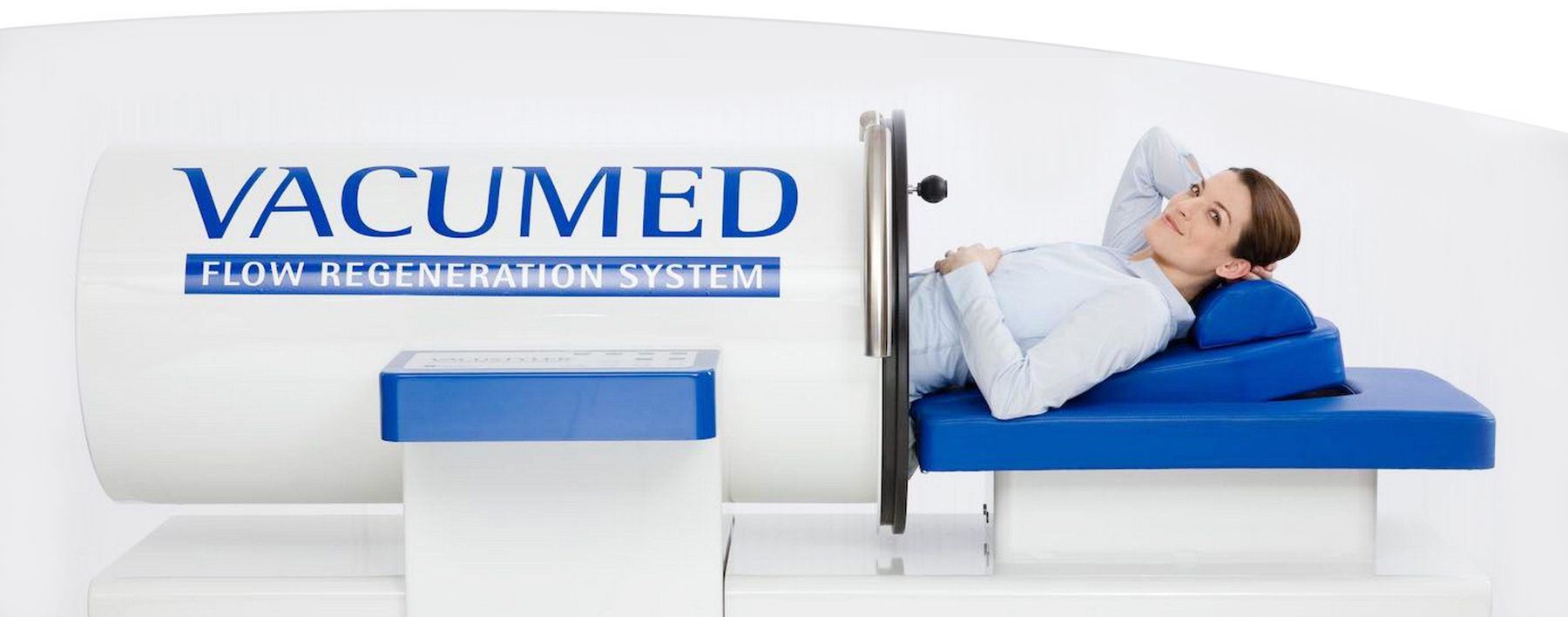
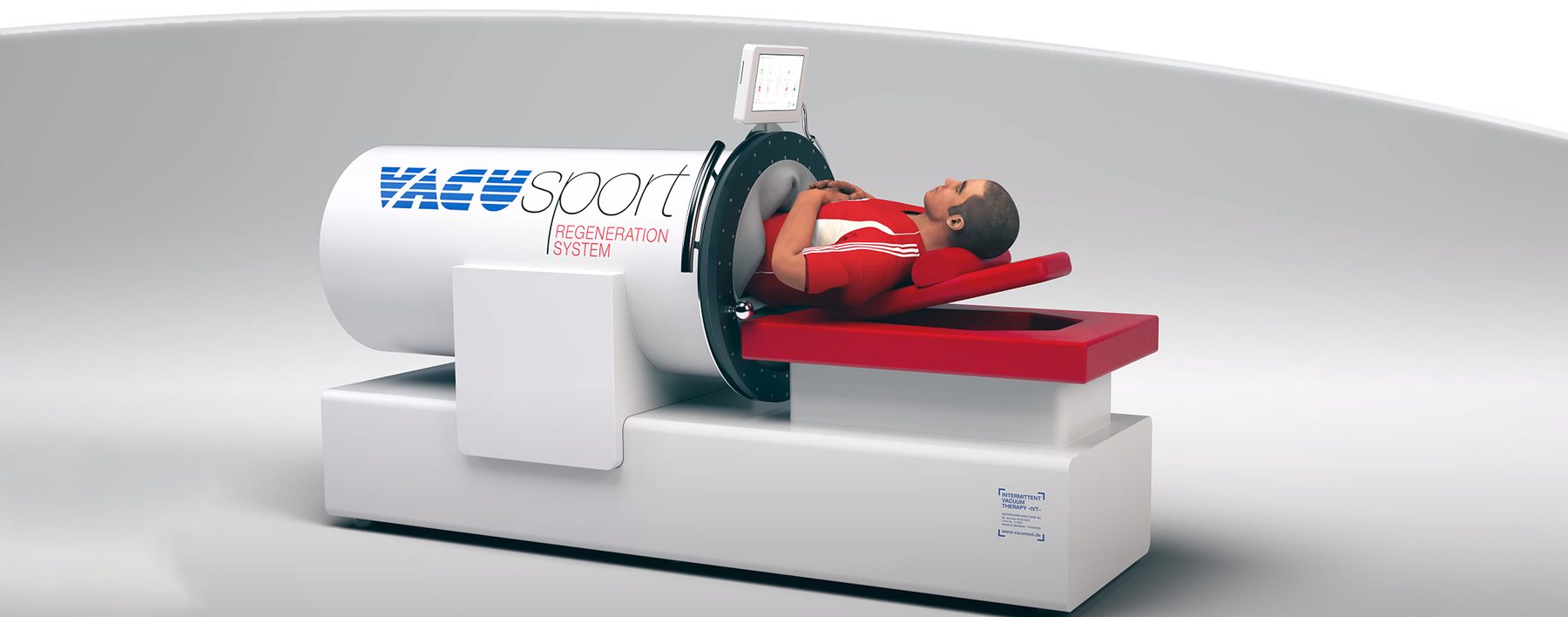
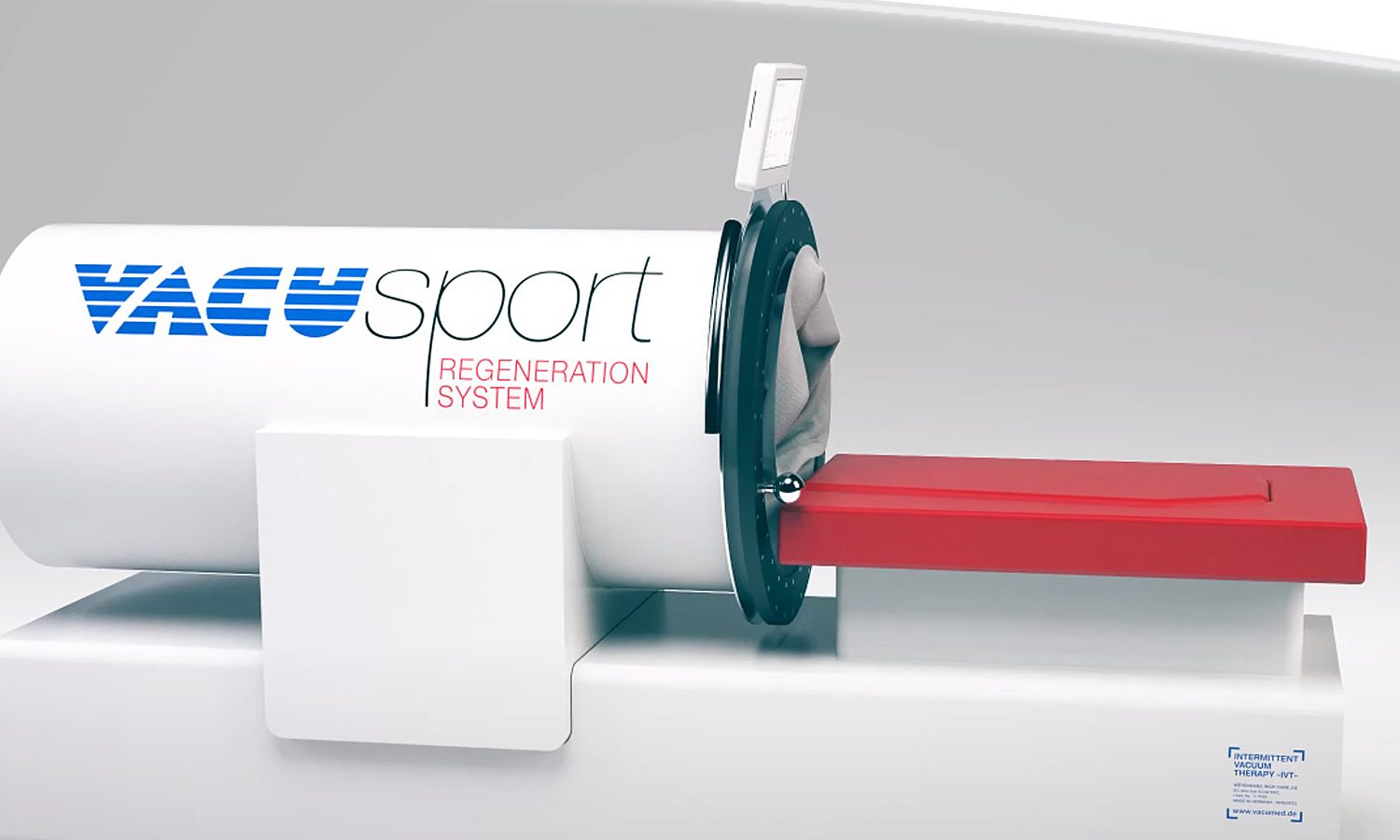
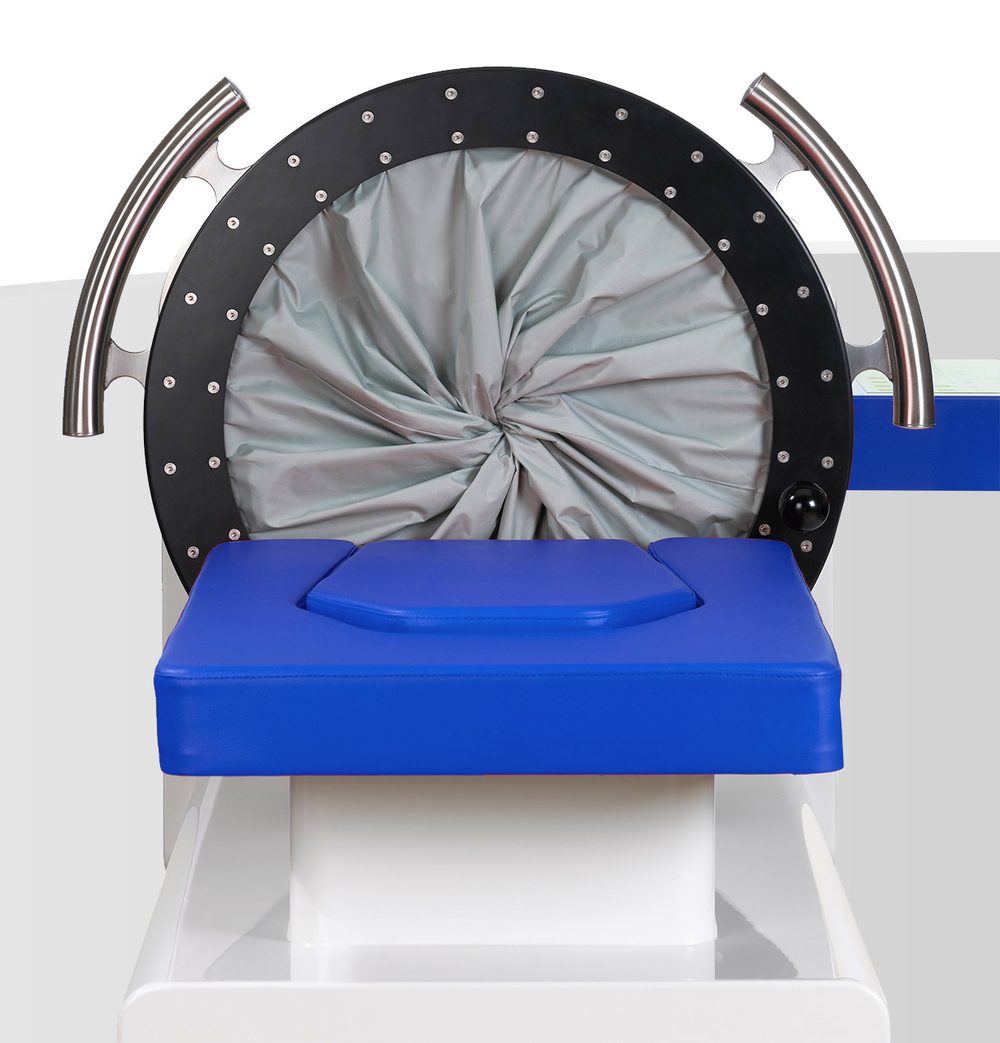
When blood reaches the tissues well, everything works better: wounds heal, muscle recovers and legs feel lighter. When it does not, pain, swelling, wounds that will not close and slow recoveries follow. Intermittent vacuum therapy, known as IVT, was created to improve exactly that circulation.
In this guide we explain what IVT is, how it works and in which situations it is used, in clinical practice and in sport.
In short
- IVT alternates negative pressure (vacuum) and normal pressure on the lower body.
- The aim is to improve blood and lymph flow and microcirculation, non-invasively and painlessly.
- In vascular medicine it is used for arterial disease, diabetic foot, venous insufficiency and oedema.
- In sport and rehabilitation it supports recovery after exertion, muscle injuries and post-operative care.
- The technology was born in space medicine.
Why circulation matters
Oxygen and nutrients
They reach the tissues through the blood. If circulation fails, tissue recovers and heals more slowly.
Microcirculation
The smallest vessels (capillaries) decide whether tissue is well supplied. Many problems start here, before symptoms are obvious.
Venous and lymphatic return
Without good return, fluid builds up: swelling, heavy legs and haematomas that take long to clear.
How IVT works
Two phases that alternate during the session.
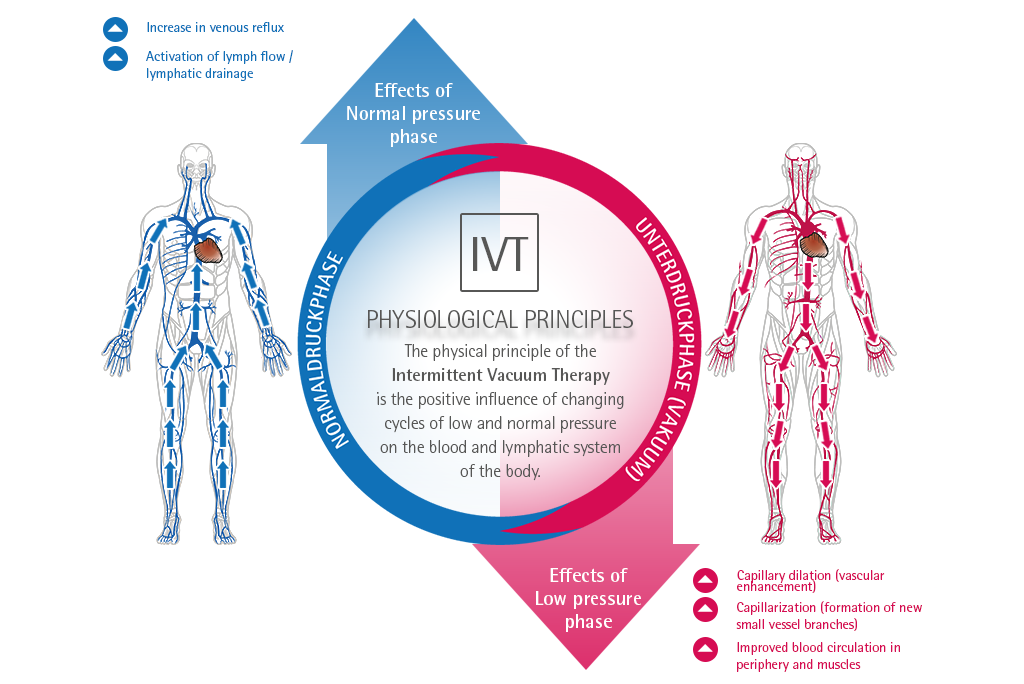
- Vacuum phaseNegative pressure dilates the vessels and increases blood flow, including in the capillaries. According to the manufacturers, the flow stimulates the endothelium, releases nitric oxide and favours new capillaries.
- Normal-pressure phaseThe vessels contract and the venous and lymphatic systems decongest, improving return and drainage. The alternation works as passive training for the vessels.
When it is used
Two areas, two Weyergans devices: Vacumed for vascular medicine and Vacusport for sport and rehabilitation.
Arterial disease and diabetes
Improve perfusion, relieve pain on walking and support healing of wounds and diabetic foot.
Venous insufficiency and oedema
Reduce oedema and leg heaviness and support the treatment of venous ulcers and lymphoedema.
Athlete recovery
Regenerate after training and competition and speed up the return after a muscle injury.
Rehabilitation and post-surgery
Control oedema and favour early mobilisation, for example after a knee or hip replacement.
What a session is like
Simple for the patient and for the team.
Lie down and relax
The user lies down with legs and hips inside the device, comfortably.
Automatic programme
The professional chooses the programme for the indication and the device applies the pressure cycles.
30 to 45 minutes
The usual duration is 30 to 45 minutes. The number of sessions depends on the indication and is set by the professional.
A technology from space
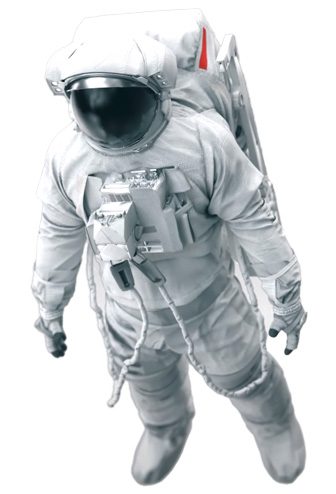
In microgravity astronauts lose the vascular stimulus provided by gravity and circulation deteriorates. To counter this, space research (DLR and NASA) developed lower-body negative-pressure systems. IVT adapts that principle to vascular medicine, rehabilitation and sport.
When to talk to a healthcare professional
- Leg pain on walking or night cramps.
- Foot wounds that are slow to heal, especially in diabetes.
- Persistent swelling or heaviness in the legs.
- A muscle injury that does not recover at the expected pace.
- Before starting any therapy, to confirm it suits your case.
Discover the Weyergans solutions
Vacumed
Intermittent vacuum therapy for lower-limb circulation: arterial disease, diabetic foot, venous insufficiency and oedema.
View solutionVacusport
Regeneration system to speed up athlete recovery, treat muscle injuries and support post-operative rehabilitation.
View solutionFrequently asked questions
What is intermittent vacuum therapy?
It is a physical therapy that alternates negative and normal pressure on the lower body to improve circulation and microcirculation.
Does IVT hurt?
According to the manufacturers, it is painless and comfortable. The user lies down during the session.
What is the difference between Vacumed and Vacusport?
They use the same technology. Vacumed is designed for vascular medicine and Vacusport for sport and rehabilitation, with their own programmes for each area.
When should it not be used?
In case of recent phlebothrombosis or risk of thromboembolism, infected wounds in the application area, pregnancy and joint hernia. The professional assesses each case.
Can I ask for more information?
Yes. Use the contact form at the end of the page and the Sausport team will reply.
This article is for information only and does not replace advice from a healthcare professional.
Related articles
 Sem categoriaSpiroFit for cycling: how to improve sports performanceNovember 23, 2026 · 4 min read
 Sem categoriaCryotherapy: how to choose the right equipmentNovember 18, 2026 · 5 min read
 Sem categoriaExercise in cancer care: keeping strength before, during and after treatmentNovember 16, 2026 · 6 min read