
Peripheral magnetic stimulation: pain, recovery and performance
What it is, what it is for and what the studies say
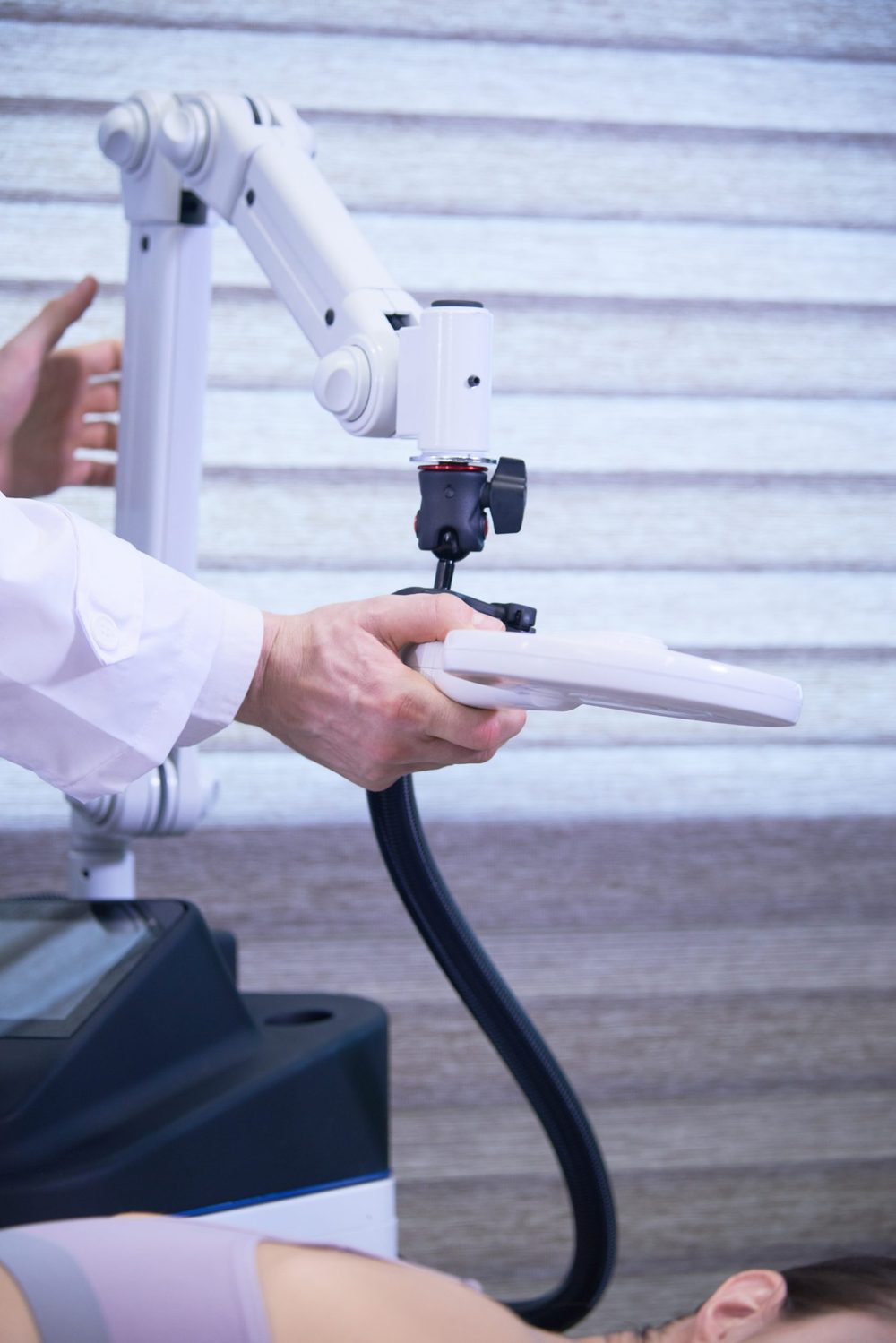
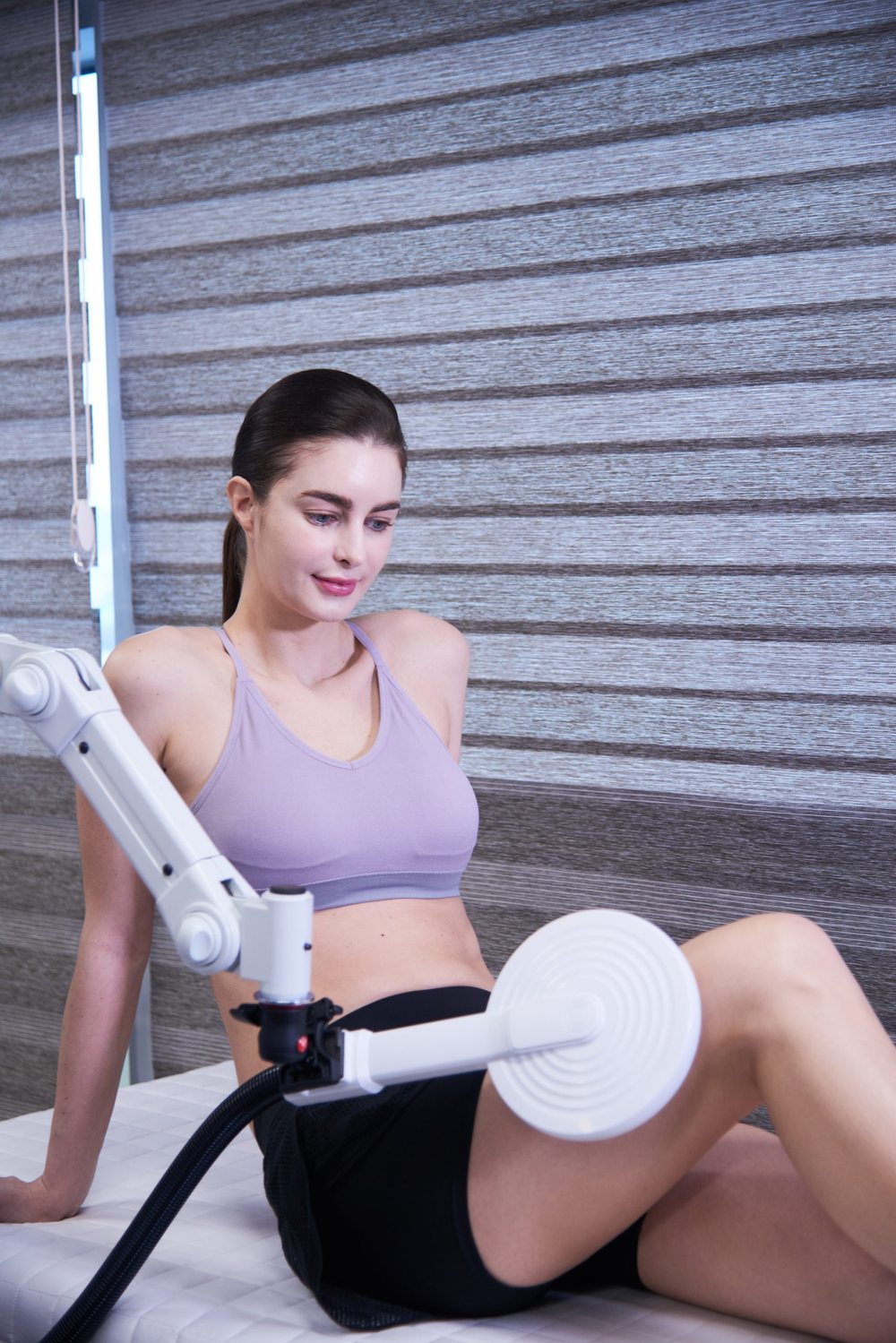
Peripheral magnetic stimulation uses high-intensity magnetic fields to stimulate nerves and muscles, contact-free and through clothing. It is one of the fastest-growing techniques in physiotherapy and sports medicine, and it is the basis of the MagRex device.
In this guide we explain how it works, where it applies and what some published clinical trials say.

In short
- Non-invasive technique, contact-free and electrode-free.
- High-intensity fields, in the tesla range, that induce current in the tissue.
- Used in pain, sports injuries, recovery after exertion and neurorehabilitation.
- Works best when integrated into exercise and active physiotherapy.
- MagRex reaches up to 7.5 teslas and includes BURST currents, according to the brand.
How it works
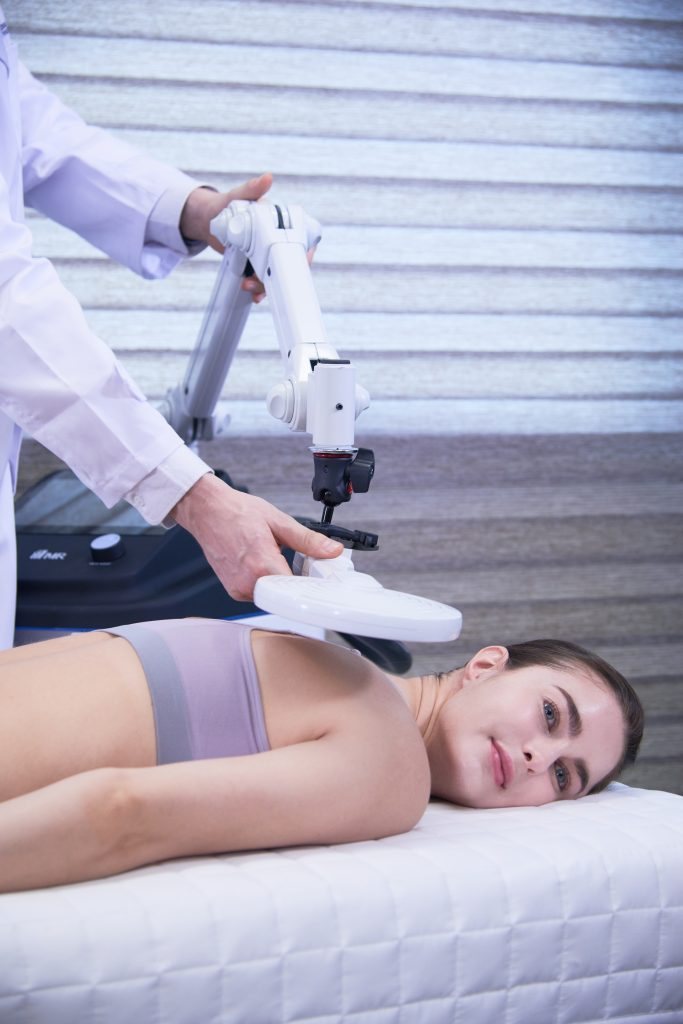
The magnetic pulse crosses clothing and skin without resistance and, by induction, generates an electric current inside the tissue. That current depolarises axons and activates proprioceptive afferents, which modulates pain and facilitates motor control.
Contact-free
The field passes through clothing; no electrodes and no surface burning sensation.
Greater depth
Acts on nerves, muscles, ligaments and bone.
Repeated dosing
In repetitive trains (rPMS), it can modulate circuits and enhance afferent pathways.
Not classic magnetotherapy
Uses intensities far higher than low-power PEMF.
General description of the technique, according to MagRex.
When it applies
MagRex describes PMS as useful in several conditions, always integrated into an active physiotherapy plan.
Musculoskeletal pain
Low back pain, neck pain and joint pain.
Sports injuries
Sprains, groin pain, plantar fasciitis.
Neuropathic pain
For example carpal tunnel and peripheral neuropathies.
Spasticity
Tone modulation, combined with functional exercise.
The indication and parameters depend on each person and are set by the health professional.
What published trials say
MagRex gathers several studies on peripheral and electromagnetic stimulation. A few examples, in delayed-onset muscle soreness (DOMS) and neurological rehabilitation.
Professional footballers
Randomised trial with 45 players: 5 minutes of peripheral electromagnetic stimulation after an eccentric and plyometric protocol. The treated group showed lower peripheral sensitisation of the vastus medialis (pressure pain threshold) at 48 to 72 hours. There were no significant differences in strength or power.
Young athletes, combined stimulation
Randomised trial with 48 athletes: combined transcranial and peripheral electromagnetic stimulation improved DOMS symptoms and jump and sprint performance compared with control and single-stimulation groups. The authors note that larger studies are needed.
Muscle activation
In the same group of studies, the combined group had greater muscle activation on electromyography and better strength and countermovement jump results.
Reflexes and spasticity
In a study with 38 participants, 5 minutes of 5 Hz rPMS on the posterior tibial nerve reduced soleus reflex activity by 23.7 % compared with sham stimulation. Another study used rPMS to assess wrist spasticity.
The studies cited concern peripheral magnetic stimulation and each study’s own protocols, and were not necessarily carried out with the MagRex device.
What sets MagRex apart
According to the brand, it reaches up to 7.5 teslas, includes BURST currents, needs no routine maintenance thanks to water cooling, and offers 30 preset programmes. Stimulation is applied contact-free and with the patient clothed.
How MagRex fits into the consultation
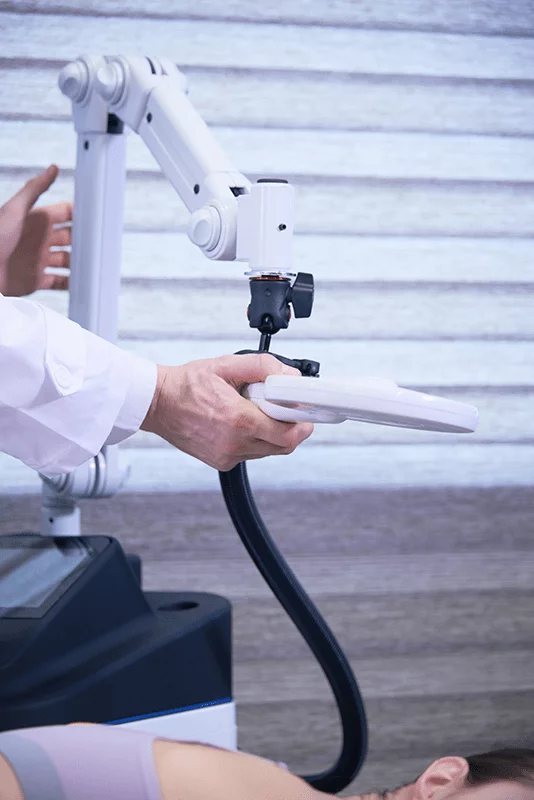
The physiotherapist chooses the programme, positions the applicator with the articulated arm and stays with the patient. It is combined with manual therapy, therapeutic exercise and education to sustain results.
When to talk to a professional
- Persistent pain that does not improve with usual treatment.
- A sports injury that limits the return to training.
- Spasticity or tone changes, in a rehabilitation setting.
- People with a pacemaker or other electronic implants: prior assessment is mandatory.
Discover MagRex
Device and clinical indications.
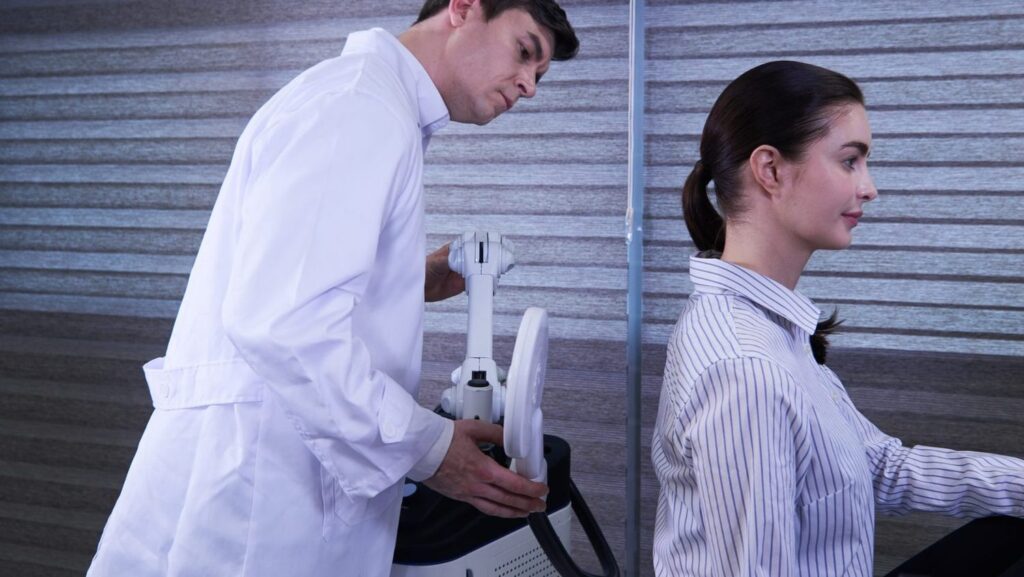
Super inductive device
Up to 7.5 teslas, water cooling, touchscreen, ergonomic arm and removable applicator.
View solution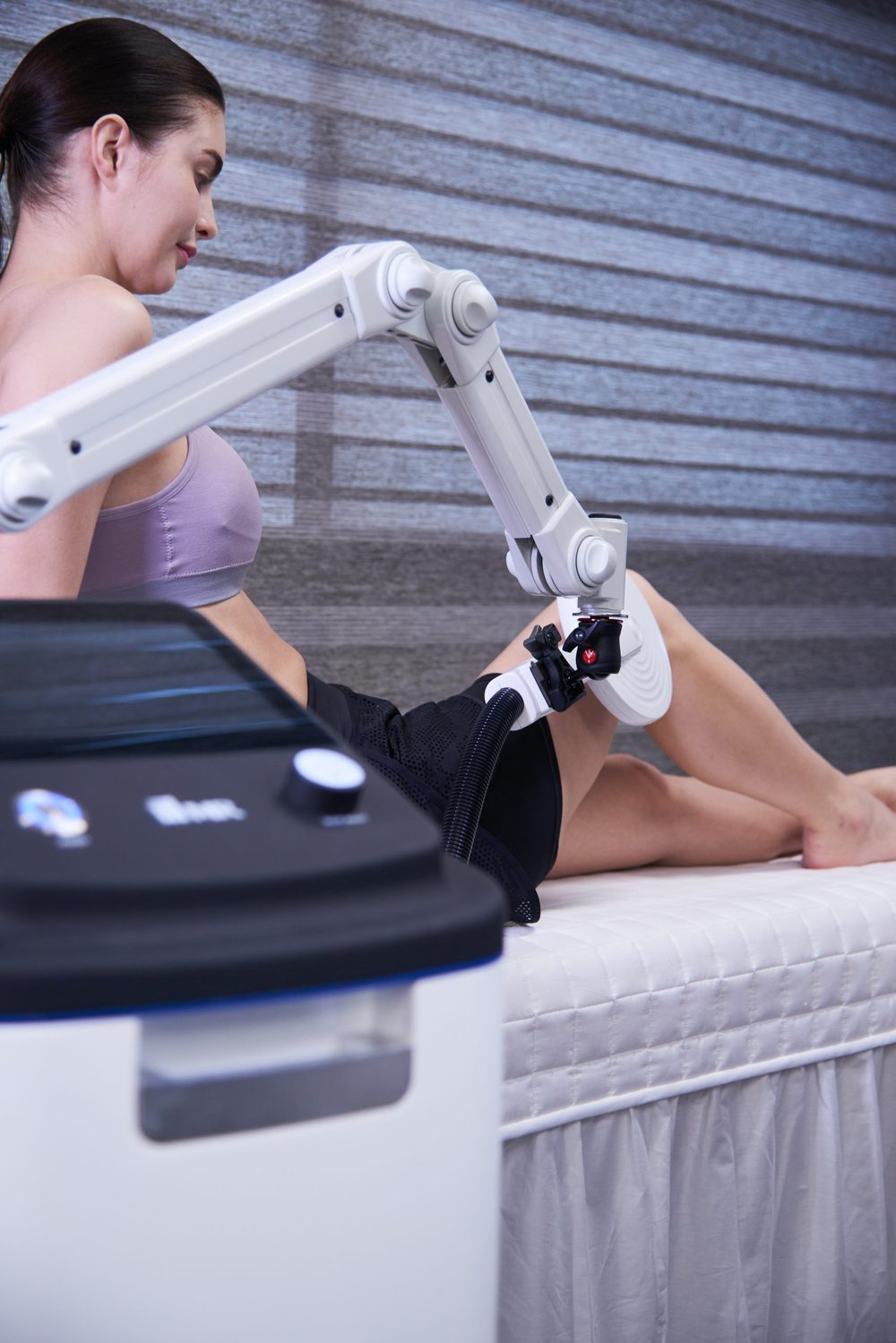
Clinical indications
Musculoskeletal and neuropathic pain, sports injuries, recovery after exertion and neurological rehabilitation.
View solutionFrequently asked questions
Does peripheral magnetic stimulation hurt?
It is non-invasive and usually well tolerated. Muscle contraction or deep tingling may be felt, adjustable with intensity.
Does it work through clothing?
Yes, the magnetic field passes through clothing.
How many sessions are needed?
It depends on the goal and the clinical picture. MagRex gives as guidance 2 to 3 sessions a week for 3 to 6 weeks.
Can it be combined with exercise?
Yes, and it is recommended: PMS works as a complement to active physiotherapy.
Who can use it?
Trained health professionals. The indication and screening for implants and other conditions are set by the professional.
References
- Keriven H. et al. Effects of peripheral electromagnetic stimulation after an eccentric exercise-induced delayed-onset muscle soreness protocol in professional soccer players: a randomized controlled trial. Front Physiol 2023;14:1206293. PMID 37465698.
- Keriven H. et al. Effects of combined treatment with transcranial and peripheral electromagnetic stimulation on performance and pain recovery from DOMS induced by eccentric exercise in young athletes. Front Physiol 2023;14:1267315. PMID 37900951.
- Keriven H. et al. Influence of combined transcranial and peripheral electromagnetic stimulation on the autonomous nerve system on DOMS in young athletes. J Transl Med 2025;23(1):306. PMID 40065317.
- Kériven H. et al. Neurophysiological outcomes of combined transcranial and peripheral electromagnetic stimulation on DOMS among young athletes. PLoS One 2025. PMID 40627668.
- Zschorlich V.R. et al. Repetitive peripheral magnetic nerve stimulation (rPMS) as adjuvant therapy reduces skeletal muscle reflex activity. Front Neurol 2019;10:930. PMID 31507528.
- Fernandez-Lobera M. et al. Repetitive peripheral magnetic stimulation for the assessment of wrist spasticity. Disabil Rehabil 2021. PMID 34027756.
Studies selected by MagRex. Some use peripheral magnetic stimulation in general, not specifically the MagRex device.
Related articles
 Sem categoriaShock wave therapy in physiotherapy: what it is, what it treats and the advantages for clinicsNovember 11, 2026 · 7 min read
 Sem categoriaCryotherapy, red light and oxygen: what science suggests for aesthetics, longevity and recoveryNovember 10, 2026 · 7 min read
 Sem categoriaMuscle decompression: what it is, how it works and when to use itNovember 7, 2026 · 5 min read