
Cryotherapy, red light and oxygen: what science suggests for aesthetics, longevity and recovery
Sausport Blog
Longevity and aesthetic clinics are combining three technologies into one service: cold, red light and oxygen. Research suggests potential benefits for each, in recovery, skin and general wellbeing, although with different levels of evidence.
This article summarises what each modality may offer, based on scientific studies, and explains how CTN, a Finnish recovery technology brand, combines them in one ecosystem.
In short
- Cold (cryotherapy): there is evidence of effects on recovery after exercise, on pain and on inflammatory markers.
- Red and near-infrared light: a randomised trial in 136 people recorded better skin complexion and more collagen after 30 sessions.
- Mild hyperbaric oxygen: a comfortable session up to 1.5 ATA, with promising research on healthy ageing and cognition under way.
- The three fit into recovery and longevity protocols, with health screening and professional supervision.
Cold: whole-body and localised cryotherapy
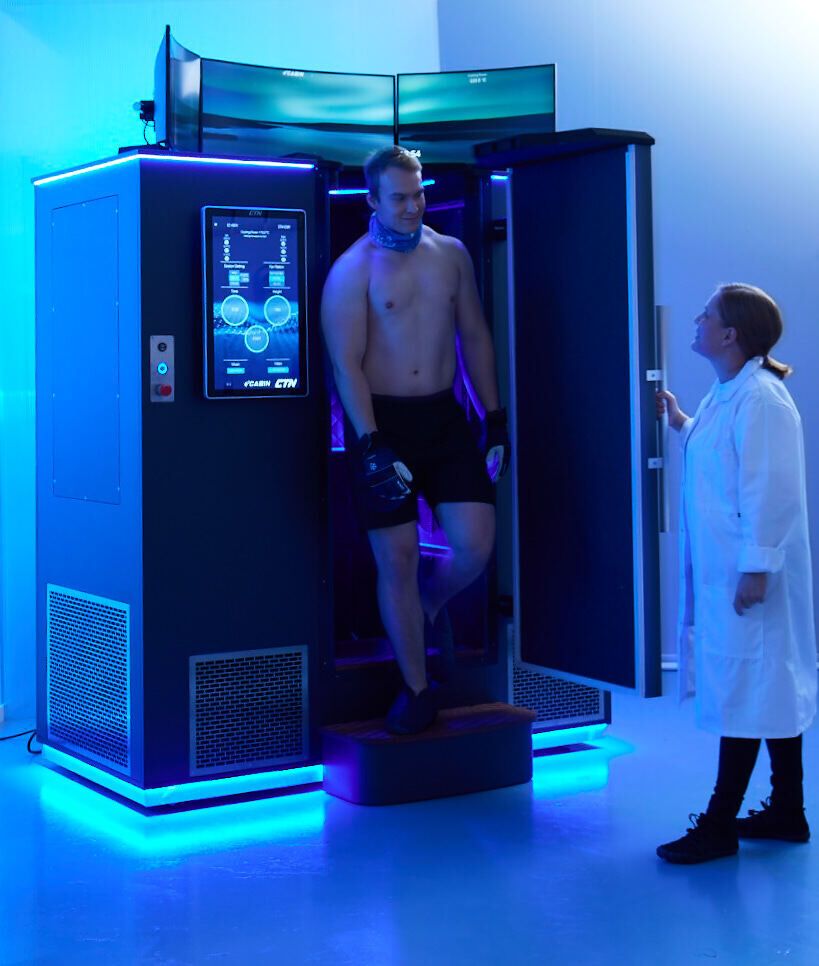
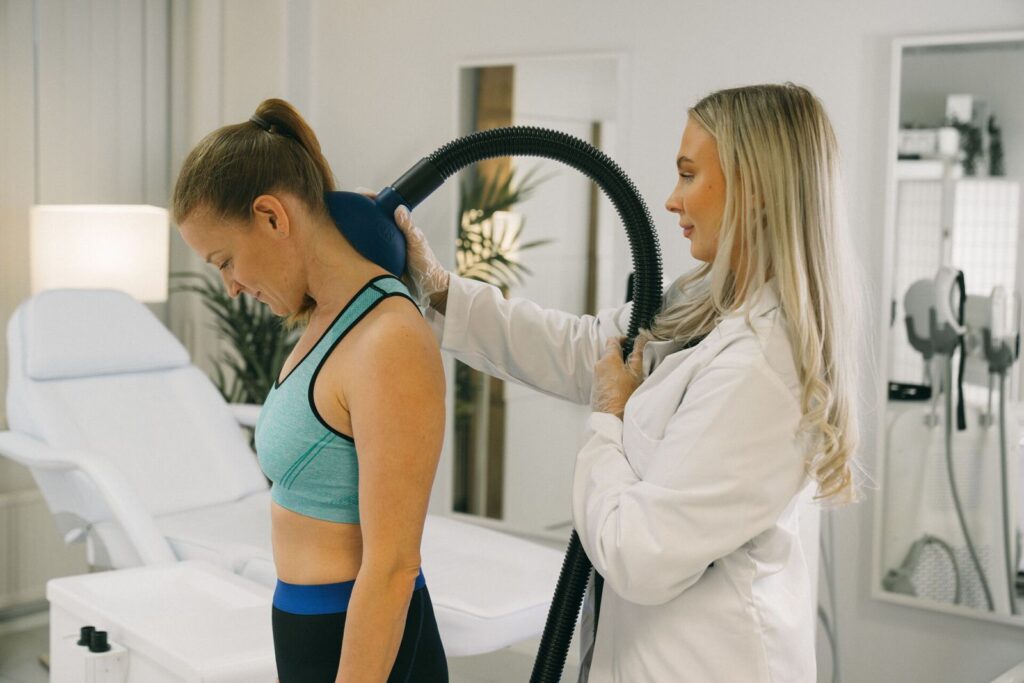
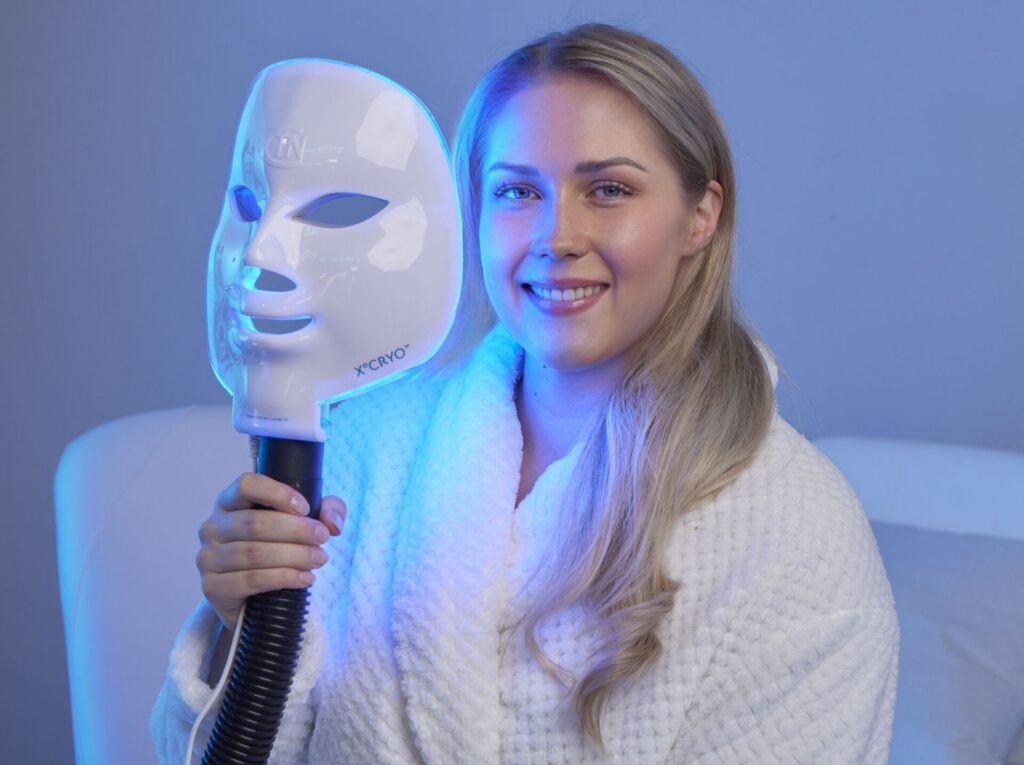
Cryotherapy exposes the body, or an area, to intense cold for a few minutes. The body’s response to cold is the starting point for effects on recovery, pain and inflammation.
Inflammation
A meta-analysis of 11 randomised trials (He et al., Scientific Reports, 2025) recorded lower IL-1β, an inflammatory marker, and higher IL-10, an anti-inflammatory marker, after whole-body cryotherapy.
Recovery from exercise
In 9 trained runners, three sessions within 48 hours restored maximal strength and perceived sensations faster than far-infrared or rest, with no difference in creatine kinase.
Pain and function
A review of 5 trials (Dias et al., 2025) found less pain in knee osteoarthritis with cold, with no significant effect on function.
Metabolism
Five days of partial-body cryostimulation (−130 °C, 150 seconds) changed resting energy expenditure in lean women and women with obesity (De Nardi et al., 2021).
Still being studied: optimal protocols (number, frequency and temperature of sessions) and long-term effects, especially in older people. In a study of 80 men aged 65 to 77 with chronic low back pain, only the group with daily sessions improved; the twice-weekly group did not.
Red and near-infrared light: skin, collagen and recovery
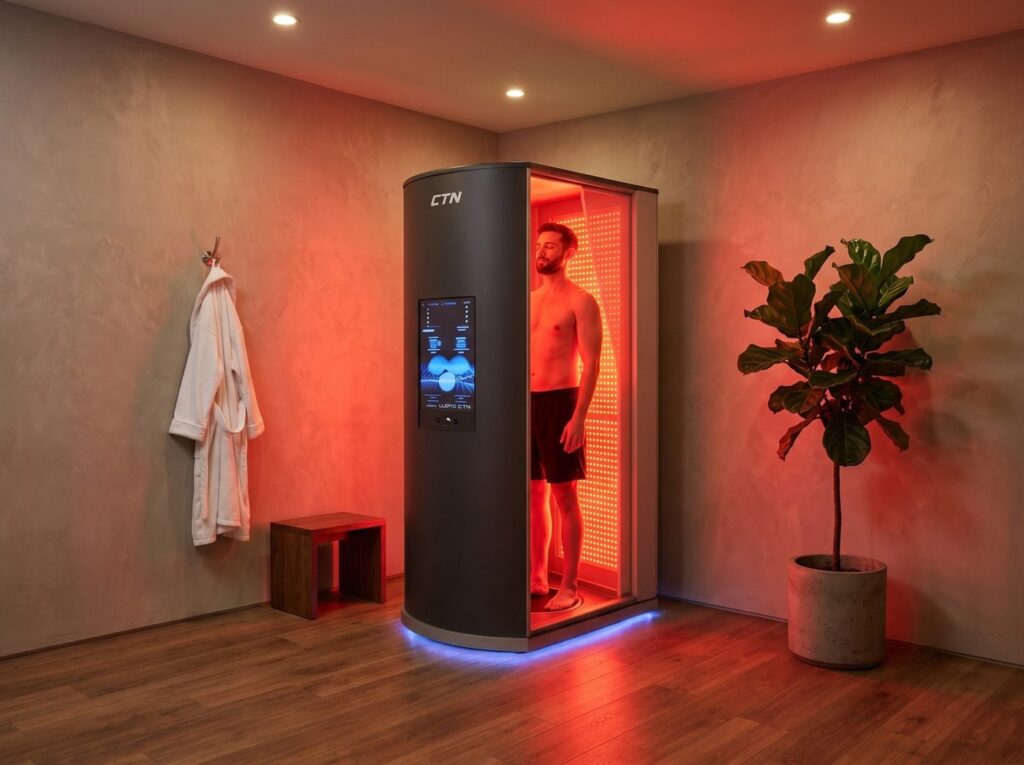
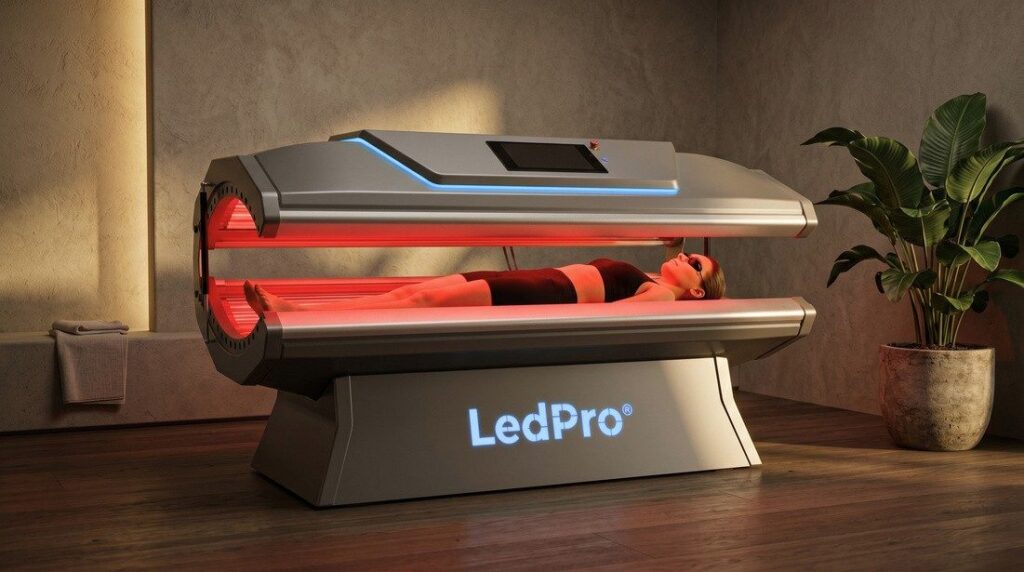
Photobiomodulation uses low-intensity red and near-infrared light to interact with cellular activity. It underpins skin, muscle recovery and wellness services.
Skin and collagen
A randomised trial in 136 people (Wunsch and Matuschka, 2014) recorded, after 30 sessions, better skin complexion, less roughness and greater intradermal collagen density than controls.
Energy expenditure
One 12-minute session on the LedPro bed raised resting energy expenditure in women with obesity (De Nardi et al., Nutrients, 2025).
Muscle recovery
In high-level footballers, photobiomodulation before exertion increased maximal strength and reduced muscle soreness, using an 810 nm laser; dose and power matter, and the response is biphasic.
Still being studied: ideal doses, wavelengths and protocols for each goal. Results depend on the device and protocol used.
Mild hyperbaric oxygen: advantages and research
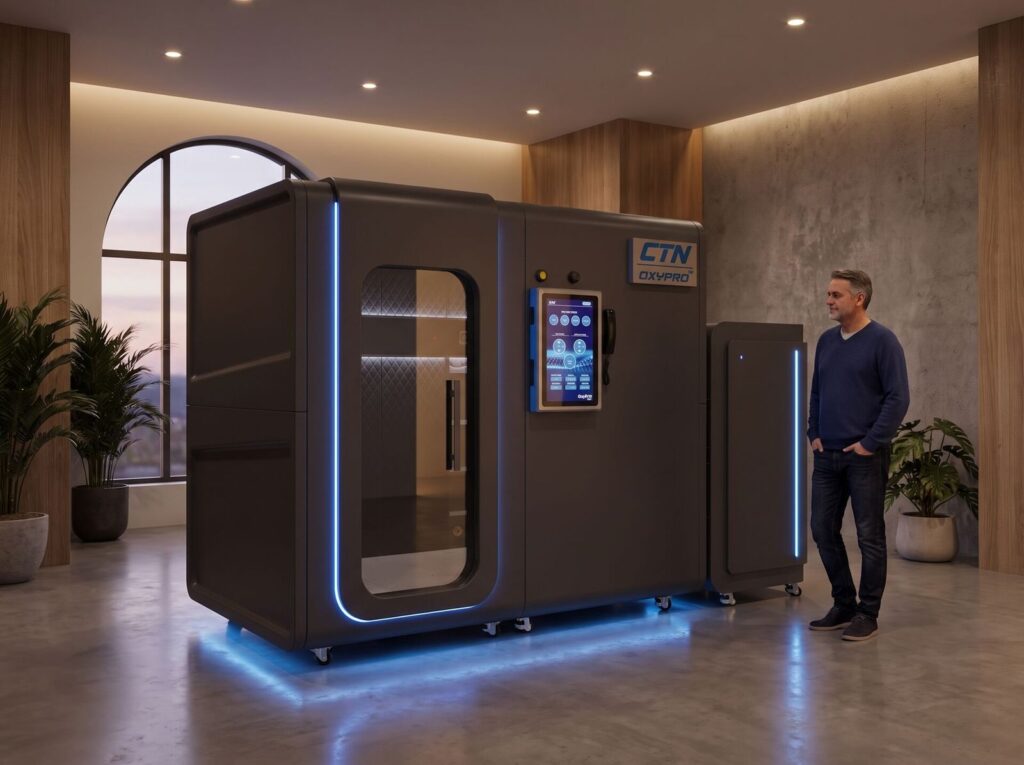
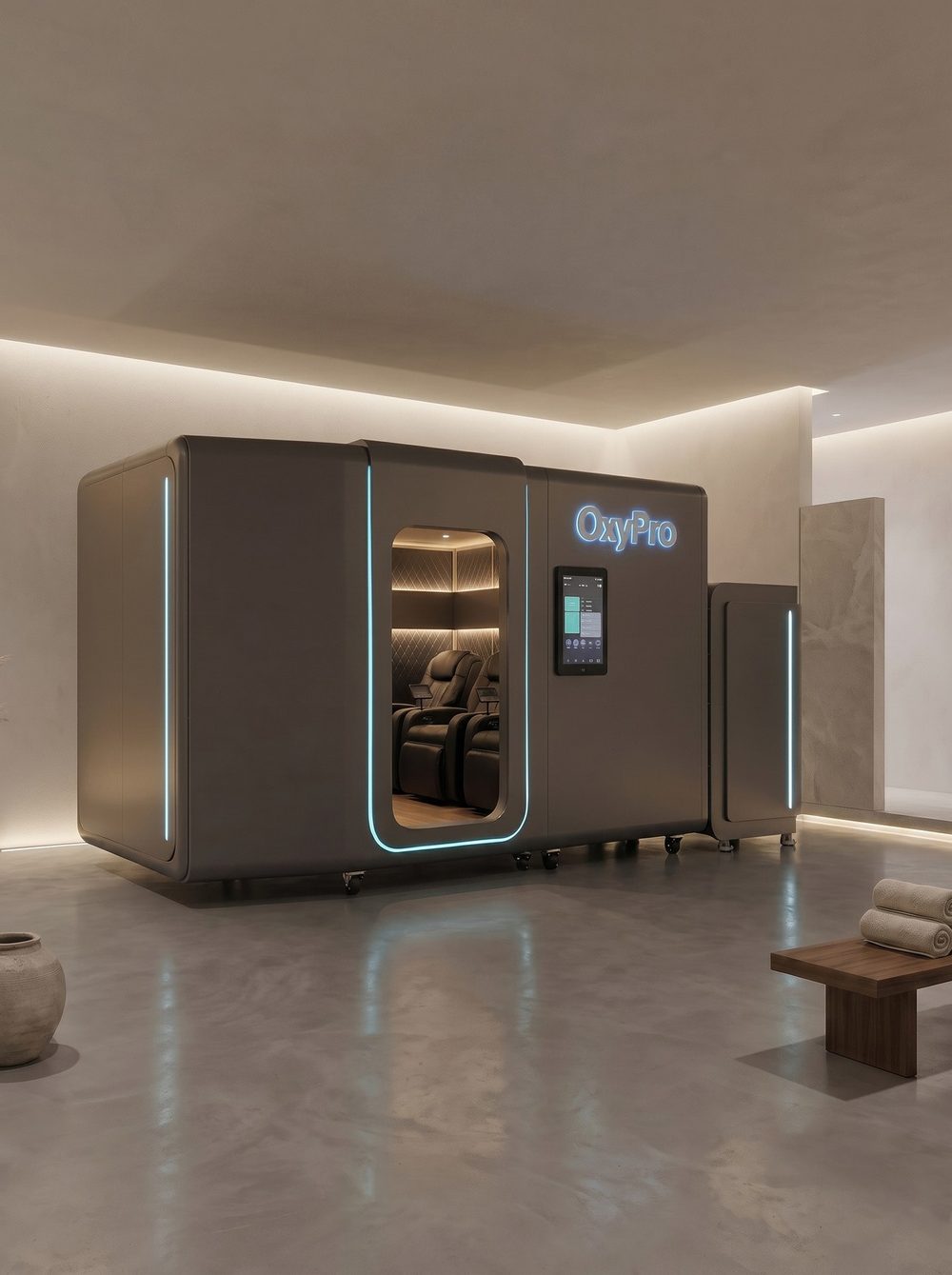
Mild hyperbaric oxygen gives the client a calm session at pressures up to 1.5 ATA, in a chamber where they breathe oxygen-enriched air. For the clinic, it is a longevity and wellness service that fits naturally alongside cold and red light.
A comfortable session
OxyPro chambers, softshell or hardshell, offer a calm experience with no downtime, from one to eight people, with panoramic windows on the hardshell models.
Healthy ageing
A review (Fu et al., Redox Biology, 2022) describes promising results of hyperbaric oxygen protocols in ageing research, without exceeding the oxygen toxicity threshold.
Cognition
Research is under way on cognitive effects in older people, including a double-blind placebo-controlled trial in elderly people with mild cognitive impairment and type 2 diabetes.
Still being studied: the general protocol for longevity and long-term effects.
Why combine cold, light and oxygen
CTN describes the “triangle of recovery”: cold as the reset, light as the repair and oxygen as the supply. Each modality has a different role; together, they are presented as a more complete recovery journey. This combination reflects the brand’s concept and does not come from a clinical trial that tested it.
In aesthetics and longevity: how it works in a clinic
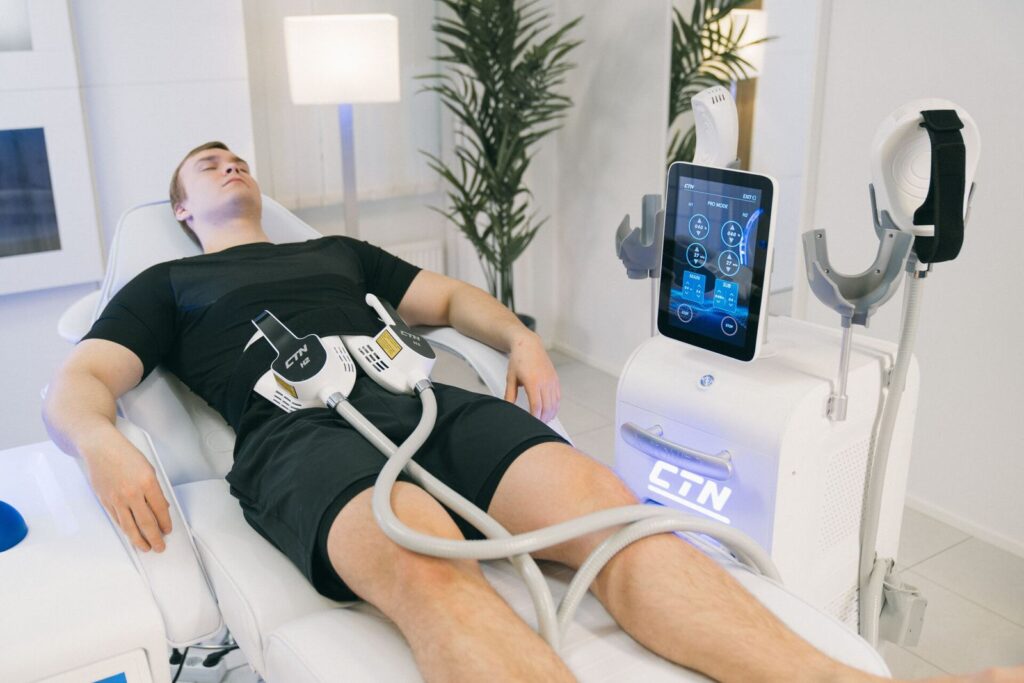
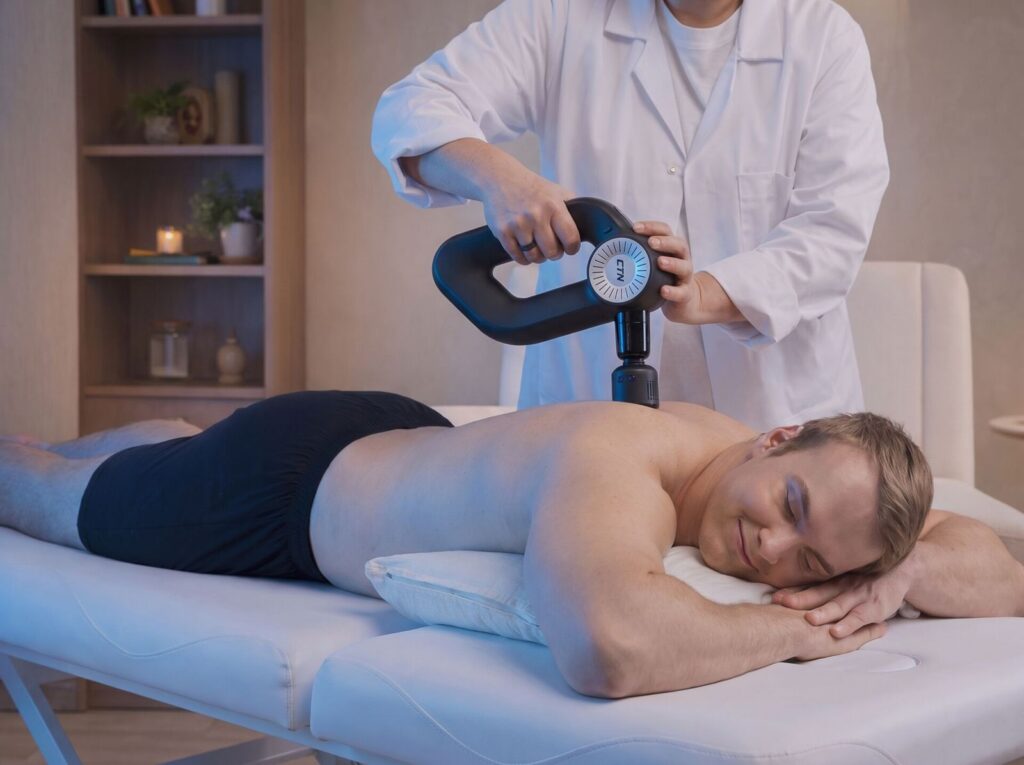
In a clinic, sessions are short and can be combined: localised (X°CRYO) or whole-body (e°CABIN) cold, red light (LedPro) and oxygen (OxyPro), with muscle stimulation (X-TONE) and compression. Frequency and order depend on each person and the protocols defined by the clinical team.
When to consult a healthcare professional
- If you have cardiovascular disease, uncontrolled high blood pressure, a pacemaker or other electronic implant.
- If you have cold intolerance, Raynaud’s phenomenon, respiratory disease or ear problems.
- If you are pregnant, taking photosensitising medication or have a cancer condition.
- If you want to use these technologies to treat a disease: they are not a substitute for medical diagnosis or treatment.
The CTN technologies mentioned
See the features of each device.
e°CABIN: whole-body cryotherapy
100 % electric cabin, no nitrogen, with automatic sessions of 2 to 5 minutes.
View solution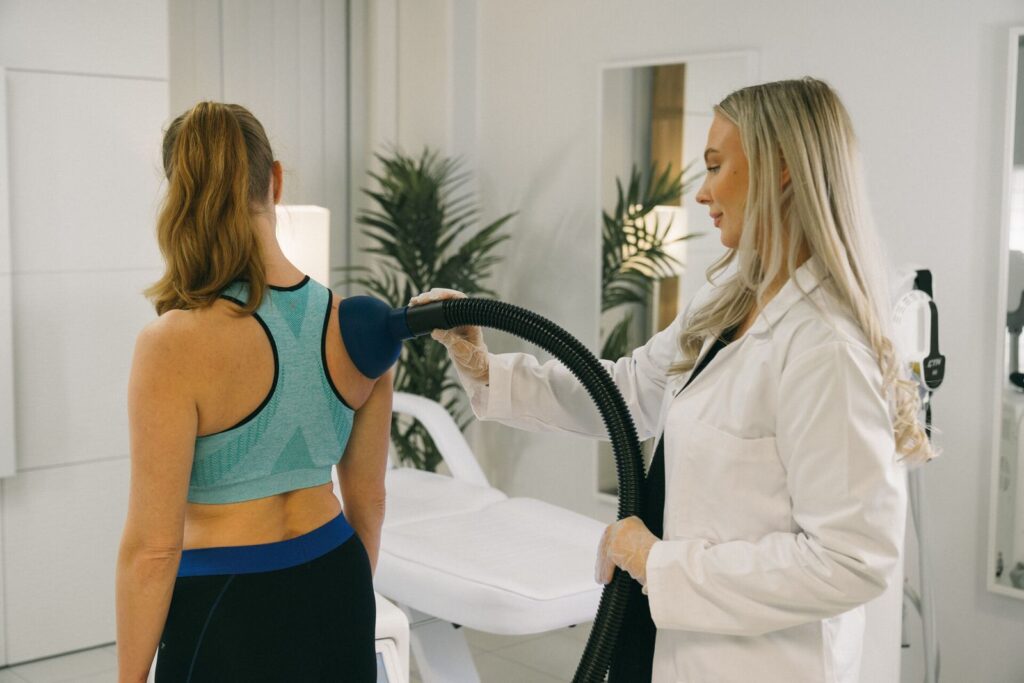
X°CRYO: localised cryotherapy
Precise cold for body areas and the face, with 12 applicators and Spot, Face and Pro modes.
View solutionLedPro: full-body red light
Horizontal bed with 28,512 LEDs or vertical panel, with red and near-infrared light.
View solutionOxyPro: mild hyperbaric oxygen
Softshell and hardshell chambers up to 1.5 ATA, for one to eight people.
View solutionFrequently asked questions
Does cryotherapy help with longevity?
There is evidence of effects on recovery, pain and inflammatory markers, but research on longevity itself is still limited. It is presented as support for wellbeing, not as a treatment.
Does red light improve skin?
A randomised trial in 136 people recorded better skin complexion and more collagen after 30 sessions. Results depend on the device and protocol.
What are the advantages of mild hyperbaric oxygen?
It is a comfortable session with no downtime, in OxyPro chambers up to 1.5 ATA, that fits alongside cold and red light. Research on healthy ageing is promising and continuing.
Can I combine the three technologies?
CTN presents them as complementary. The combination and frequency should be defined by the clinical team, case by case.
Who should not use these technologies?
People with cardiovascular disease, electronic implants, cold intolerance, pregnancy or other conditions should consult a doctor first.
How do I ask about CTN equipment?
Use the contact form at the end of the page. The Sausport team helps you choose the configuration.
References
- He et al. Whole-body cryotherapy and inflammatory markers: meta-analysis of 11 RCTs. Scientific Reports, 2025.
- Dias et al. Cold application and pain in knee osteoarthritis: systematic review of 5 RCTs. Pain Practice, 2025.
- De Nardi et al. LedPro and resting energy expenditure in women with obesity. Nutrients, 2025.
- Wunsch A, Matuschka K. Red and near-infrared light and skin complexion, roughness and collagen density: randomized trial, N=136. Photomedicine and Laser Surgery, 2014.
- Fu Q et al. Hyperbaric oxygen therapy for healthy aging: from mechanisms to therapeutics. Redox Biology, 2022.
- De Nardi M et al. Partial-body cryostimulation increases resting energy expenditure in lean and obese women. International Journal of Environmental Research and Public Health, 2021.
- De Nardi M et al. Local cryostimulation acutely preserves maximum isometric handgrip strength following fatigue in young women. Cryobiology, 2019.
- Giemza C et al. Effect of frequent WBC treatments on the back pain therapy in elderly men.
- Crossover study of whole-body cryotherapy, far-infrared and passive recovery in trained runners (9 participants).
- Oliveira AR et al. Pre-exercise infrared photobiomodulation therapy (810 nm) in skeletal muscle performance and postexercise recovery in humans.
- Ben-Ari O et al. Double-blind placebo-controlled trial of hyperbaric oxygen therapy in mildly cognitively impaired elderly with type 2 diabetes: study design. Alzheimer’s and Dementia: Translational Research and Clinical Interventions, 2020.
The studies refer to the modalities and their protocols; only those indicated involved CTN devices. General information, not a substitute for medical advice.
Related articles
 Sem categoriaShock wave therapy in physiotherapy: what it is, what it treats and the advantages for clinicsNovember 11, 2026 · 7 min read
 Sem categoriaMuscle decompression: what it is, how it works and when to use itNovember 7, 2026 · 5 min read
 Sem categoriaWinback Tecar therapy in the treatment of carpal tunnel syndromeNovember 5, 2026 · 3 min read